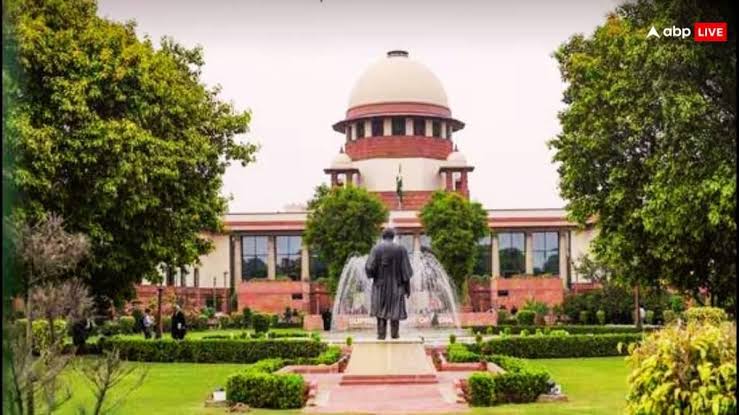
New Delhi: The Supreme Court of India has upheld the dismissal of Lieutenant Samuel Kamalesan, a Christian Army officer, for repeatedly refusing to take part in regimental religious ceremonies — including entering the inner sanctum of a temple and a gurdwara — ruling that his actions constituted “gross indiscipline.”
A bench comprising Chief Justice Surya Kant and Justice Joymalya Bagchi declined to interfere with a May ruling by the Delhi High Court, which had endorsed his termination.
Key Points from the Ruling
- Lawful Command vs. Religious Belief: The Court held that Kamalesan’s refusal violated a lawful order from his superiors.
- Secular Ethos of the Army: The judges emphasized that the Indian Army maintains a secular identity, and officers must prioritise unit cohesion and discipline over personal religious preferences.
- Impact on Troops: The bench was critical of Kamalesan’s refusal to “lead by example,” suggesting that his conduct may have offended the religious sentiments of the soldiers under his command.
- Limits of Religious Freedom: Justice Bagchi noted that the constitutional protection of religious freedom (Article 25) does not extend to “every sentiment.” He questioned Kamalesan’s interpretation of his faith, pointing out that even his own pastor had advised that entering a multi-faith place would not violate his Christian beliefs.
- Discipline Over Disobedience: The court rejected arguments that the officer’s refusal was an exercise of his faith. Instead, it framed the issue as a fundamental problem of military discipline and chain of command.
Background of the Case
- Kamalesan was commissioned into the 3rd Cavalry Regiment in 2017, which includes Sikh, Jat, and Rajput squadrons.
- He argued that his regiment lacked a “Sarva Dharma Sthal” (a common prayer space for all faiths) and had only a temple and a gurdwara, which he believed conflicted with his Christian monotheistic faith.
- He had sought exemption from entering the sanctum during rituals like puja or aarti, claiming that it went against his belief system.
- Despite repeated counselling — including intervention by Christian clergy — he refused to conform, and was eventually dismissed from the Army without pension or gratuity.