Sindh, Pakistan | January 2026
The shooting death of a young Hindu farmer in Pakistan’s Sindh province has triggered serious concern among international human rights observers, who describe the incident as a grave failure to protect religious minorities and uphold the rule of law.
Incident Overview
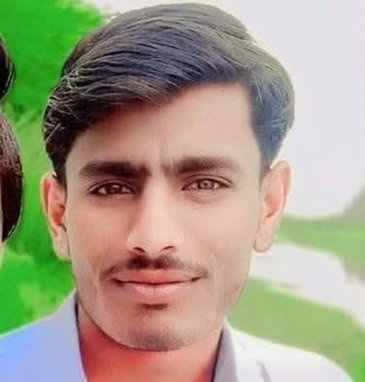
The victim, Kailash Kolhi, a Hindu youth and tenant farmer, was shot dead in broad daylight earlier this week in the Talhar area of Badin district. According to eyewitness accounts and local reports, the killing followed a dispute with a powerful local landowner after Kolhi constructed a small hut on the land for his family’s shelter.
Human rights groups say the incident reflects a pattern of systemic discrimination, feudal dominance, and unchecked violence faced by religious minorities in rural Sindh.
Structural Abuse Against Minorities
International human rights monitoring organisations note that Hindu minorities in Sindh frequently face:
- Abuse of power by influential feudal landlords
- Denial of equal protection by law enforcement agencies
- Threats, intimidation, and reprisals when seeking justice
The killing of Kailash Kolhi is being cited as a stark example of how structural inequality and impunity continue to endanger minority communities in Pakistan.
Concerns Over Legal Accountability
Although Sindh police have confirmed that a First Information Report (FIR) has been registered, the main accused remains at large, raising concerns about the effectiveness and impartiality of the investigation.
Rights groups point out that in cases involving powerful individuals, investigations are often delayed or weakened, reinforcing perceptions that justice is selectively applied, particularly against socially and economically marginalised groups.
Legal experts stress that the incident constitutes a violation of the right to life, as guaranteed under both Pakistan’s constitution and international human rights law.
Pakistan’s International Obligations
Pakistan is a signatory to key international human rights instruments, including:
- The International Covenant on Civil and Political Rights (ICCPR)
- The UN Declaration on the Rights of Persons Belonging to National or Ethnic, Religious and Linguistic Minorities
Human rights organisations argue that the killing represents a clear breach of Pakistan’s international obligations to protect religious minorities and ensure equal access to justice.
Protests and Public Reaction
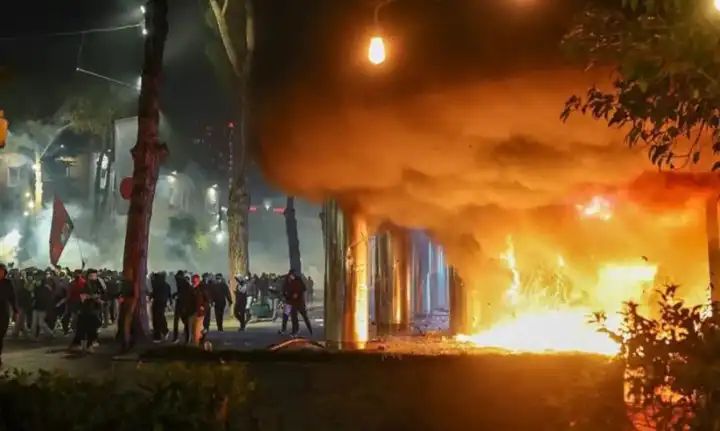
Following the incident, widespread protests erupted across parts of Sindh, with members of the Hindu community and civil society groups staging sit-ins and road blockades, demanding swift arrests and accountability.
The participation of women and children in these protests has been cited as evidence of the deep sense of insecurity prevailing within minority communities.
Calls for International Attention
Human rights groups have urged:
- An independent and impartial investigation into the killing
- The immediate arrest and prosecution of those responsible
- Protection and compensation for the victim’s family
- Stronger institutional safeguards for religious minorities in Pakistan
Conclusion
The killing of Kailash Kolhi is not being viewed as an isolated criminal act, but as a manifestation of systemic failures in minority protection and law enforcement. Rights organisations warn that unless accountability is ensured, such incidents will continue to undermine Pakistan’s human rights commitments and fuel further insecurity among vulnerable communities.