New Delhi: India’s Supreme Court has declined to halt the Election Commission’s Special Intensive Revision (SIR) of electoral rolls and cautioned West Bengal Chief Minister Mamata Banerjee against creating obstacles to the process, emphasizing that maintaining accurate voter lists is essential for free and fair elections.
Supreme Court’s Stand
The apex court refused to stay the revision exercise, underscoring that the Election Commission is constitutionally empowered to update voter rolls.
The court noted that the process is meant to ensure electoral integrity and should proceed without interference. It also indicated that political disagreements must not disrupt statutory election procedures.
In an earlier observation linked to the revision exercise, the court suggested that the poll body examine whether identity documents such as Aadhaar, voter ID, and ration cards could be accepted during verification.
What Is the Special Intensive Revision (SIR)?
SIR is a large-scale verification drive conducted by the Election Commission of India (ECI) to:
- Remove duplicate or ineligible voters
- Add newly eligible citizens
- Correct errors in electoral data
- Ensure updated rolls before major elections
The nationwide initiative began across multiple states and union territories to produce “clean, accurate, and up-to-date electoral rolls.”
Progress Across Indian States
The revision process has been rolled out in 12 states and UTs, including:
- Andhra Pradesh
- Telangana
- Karnataka
- Maharashtra
- Gujarat
- Uttar Pradesh
- Rajasthan
- Madhya Pradesh
- Delhi
- Jammu & Kashmir
- Ladakh
- Chandigarh
Officials say the exercise allows citizens to verify details digitally or offline while requesting additions, corrections, or deletions.
Political Reactions
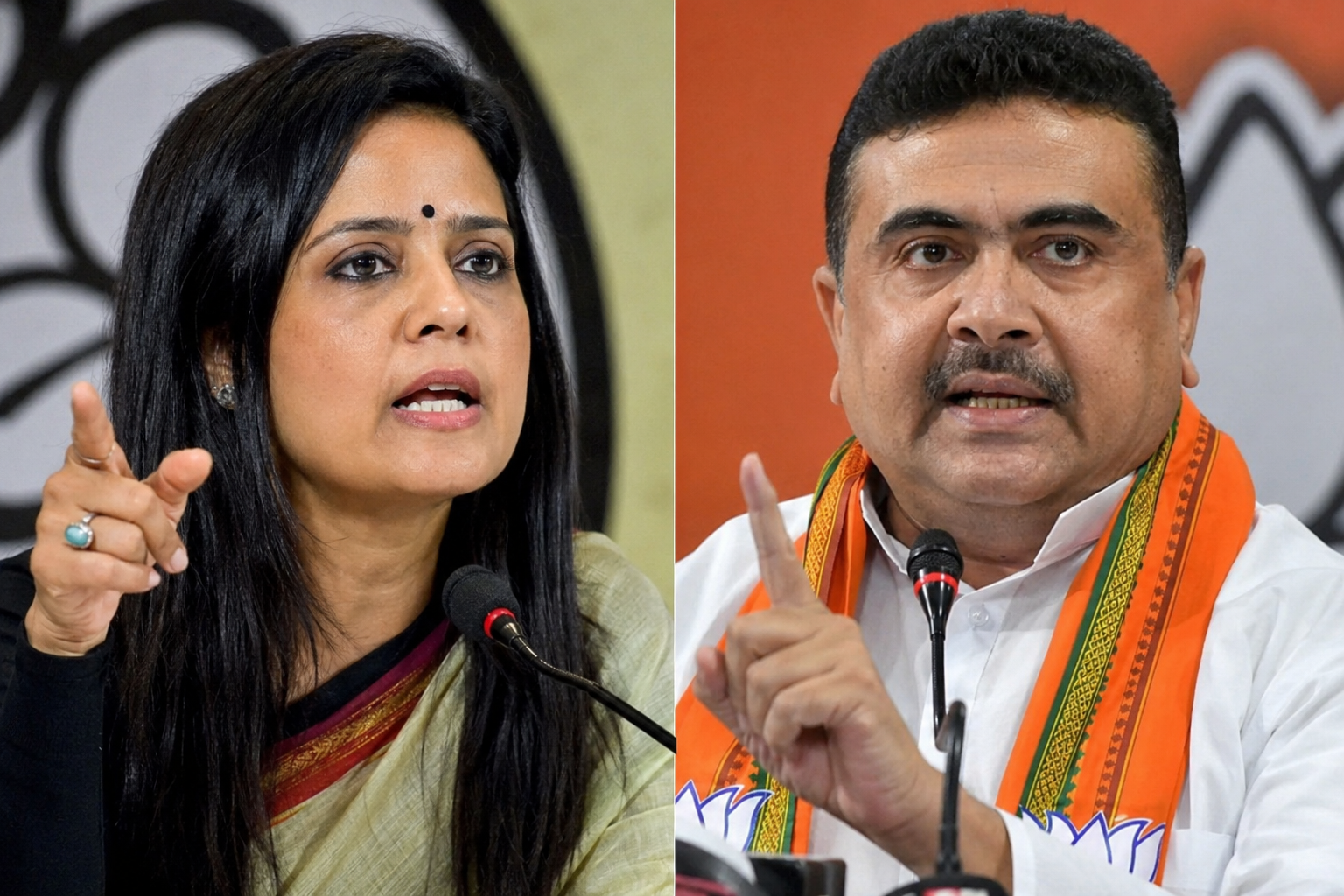
Trinamool Congress (TMC)
Mamata Banerjee has raised concerns about possible voter deletions, framing the issue as one that could affect legitimate electors.
Bharatiya Janata Party (BJP)
The BJP has supported the revision, arguing that cleaning voter lists is necessary to prevent irregularities and strengthen democracy.
Congress and Opposition
Opposition parties have demanded debate on electoral reforms, with the Centre signaling willingness to discuss the voter-list cleanup in Parliament.
Why the Issue Matters
Experts view the SIR as a politically sensitive but crucial administrative exercise because electoral rolls form the backbone of India’s democratic process. Any errors — whether duplication or wrongful deletion — can influence election outcomes and public trust.
The Supreme Court’s refusal to stop the revision effectively clears the path for the Election Commission to continue the nationwide effort while reminding political leaders not to obstruct statutory procedures.
The Bigger Picture
With elections approaching in several regions, the SIR has become both an administrative priority and a political flashpoint. The court’s intervention signals judicial backing for institutional autonomy — even as debates over voter eligibility and electoral transparency intensify across India.