KABUL, Afghanistan — Afghanistan, a nation long scarred by conflict, is gradually re-emerging as a destination for international tourists. Solo travelers and organized tour groups, arriving by diverse means from planes and camper vans to motorbikes and even bicycles, are beginning to venture into a country that was until recently synonymous with war. The ruling Taliban government, in power for over three years but still awaiting formal recognition from most international bodies, is actively welcoming these visitors, viewing tourism as a potentially vital avenue for economic growth.
In an interview with The Associated Press in early June, Deputy Minister of Tourism Qudratullah Jamal underscored the government’s enthusiasm. “The Afghan people are warm and welcoming and wish to host tourists from other countries and engage with them,” Jamal stated. He emphasized the broad economic benefits that tourism can bring, expressing optimism that the industry will evolve into a “large economy, bringing significant benefits” and playing an “important role in strengthening our national economy.” He noted that money spent by visitors can reach more layers of society than revenue from other industries.
A Potentially Lucrative Industry for an Isolated Nation.
For many countries, tourism is a multi-billion-dollar industry. Afghanistan’s current isolation on the international stage, largely due to the Taliban’s severe restrictions on women and girls, has left its 41 million people grappling with widespread poverty. As the nation struggles to attract foreign investment, the lucrative potential of tourism has not been lost on the authorities.
“We are currently earning a considerable amount of revenue from this industry, and we are hopeful it will grow even more in the future,” Jamal affirmed, highlighting the government’s strategic focus on this sector.
A Trickle, Not Yet a Flood, of Visitors
To facilitate this burgeoning industry, the Taliban government has made tourist visas relatively quick and easy to obtain. Flights from major transit hubs like Dubai and Istanbul operate several times a week, increasing accessibility. Notably, the government has also established a training institute specifically for men seeking jobs in the hospitality and tourism sector, reflecting its gender-segregated policies.
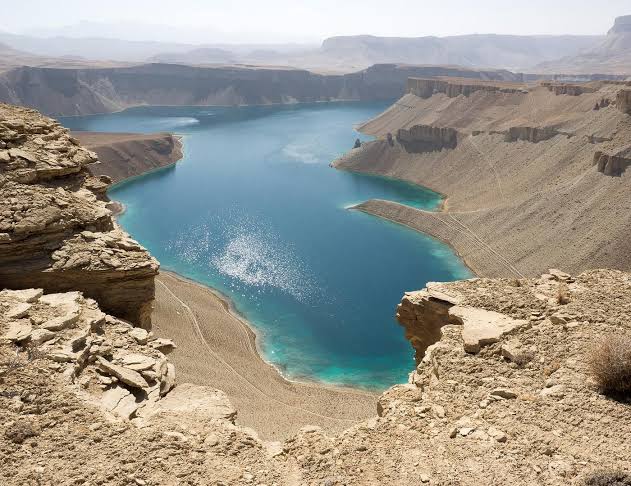
While the number of international visitors remains a trickle rather than a flood, it is on an upward trend. According to Jamal, nearly 9,000 foreign tourists visited Afghanistan last year (2024, given the current date), and close to 3,000 arrived in the first three months of this year (2025). This marks a significant shift from four decades of near-continuous conflict, which effectively kept almost all vacationers away from the landlocked country known for its towering mountains, deep gorges, and millennia of history.
Security and Challenges Amidst Opening Doors.
The Taliban’s takeover from the U.S.-backed government in August 2021 initially caused a global stir, prompting thousands of Afghans to flee. However, with the end of the insurgency, the pervasive bloodshed from frequent bombings and suicide attacks has largely subsided.
Despite this improved security, challenges persist. An Islamic State affiliate in Afghanistan remains active. A grim reminder of this ongoing threat occurred in May 2024, when gunmen killed six people, including three Spanish tourists, in Bamiyan. This area, famous for its centuries-old giant Buddhas that were tragically destroyed by the Taliban in 2001, is one of the country’s main tourist attractions.
While Western countries continue to advise against travel to Afghanistan, the undeniable drop in violence compared to the two decades of U.S.-led military presence is a point the government is keen to emphasize. “Afghanistan has gone through many years of war and hardship. Now, we want tourists to come and see the true traditions and customs of Afghans, to understand Afghan life, creativity and resilience,” Jamal stated, stressing that there is now “comprehensive security across Afghanistan.”
The Taliban’s push for tourism is a clear indication of their efforts to generate revenue and foster international engagement, even as they navigate a complex global political landscape and face scrutiny over their domestic policies.