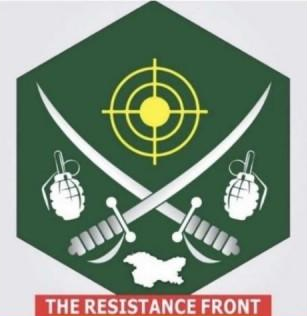
WASHINGTON D.C. – The United States has officially designated The Resistance Front (TRF), a known offshoot and proxy of the Pakistan-based Lashkar-e-Taiba (LeT), as a Foreign Terrorist Organization (FTO) and Specially Designated Global Terrorist (SDGT). The designation comes months after the devastating terror attack in Jammu and Kashmir’s Pahalgam, which claimed the lives of 26 people, making it the deadliest terror strike on civilians in India since the 2008 Mumbai attacks.
In a statement released on Thursday, US Secretary of State Marco Rubio affirmed, “Today, the Department of State is adding The Resistance Front (TRF) as a designated Foreign Terrorist Organisation (FTO) and Specially Designated Global Terrorist (SDGT).” Rubio explicitly described TRF as a proxy of Lashkar-e-Taiba.
The Resistance Front, also known as Kashmir Resistance, initially claimed responsibility for the April 22 Pahalgam attack but later retracted its statement, denying involvement. However, US officials have underscored the group’s responsibility, highlighting the attack’s severity and its connection to LeT.
Lashkar-e-Taiba, already a US-designated “foreign terrorist group,” has a history of carrying out multiple terror attacks, including the brutal three-day assault in Mumbai in November 2008. The US Department of State’s action against TRF further reinforces LeT’s existing FTO and SDGT designations, incorporating TRF and its associated aliases under Section 219 of the Immigration and Nationality Act and Executive Order 13224.
These amendments will become effective upon publication in the Federal Register.
Secretary Rubio emphasized that these measures demonstrate the Trump Administration’s commitment to safeguarding national security interests, countering terrorism, and pursuing justice for the victims of the Pahalgam attack.
The US had previously reiterated its strong support for India’s counter-terrorism efforts and the bilateral strategic partnership during a visit by an Indian all-party parliamentary delegation.
Pahalgam Attack and Aftermath
The tragic incident in Pahalgam unfolded on April 22 when four armed terrorists stormed the Baisaran Valley, specifically targeting Hindu men after confirming their religion. This horrific act triggered a significant military response from India.
On May 7, India launched “Operation Sindoor,” executing precision airstrikes on terror launchpads located in Pakistan and Pakistan-Occupied-Kashmir (PoK). During this operation, India reported damaging major Pakistani military infrastructure, including the Noor Khan air base in Rawalpindi. Following the Indian strikes, Pakistan retaliated with repeated ceasefire violations along the Line of Control (LoC) in Jammu and Kashmir and the international border in Punjab and Rajasthan.
A ceasefire was initially announced by President Donald Trump on Truth Social, who claimed it resulted from discussions between Washington and both nations. However, India firmly rejected Trump’s assertion, stating that the ceasefire was a direct result of mutual agreement between the Directors-General of Military Operations (DGMOs) of India and Pakistan, reached on May 10, and that no external intervention or threats of trade talks were involved. India has consistently maintained that any issues between New Delhi and Islamabad should be resolved bilaterally, without outside involvement.