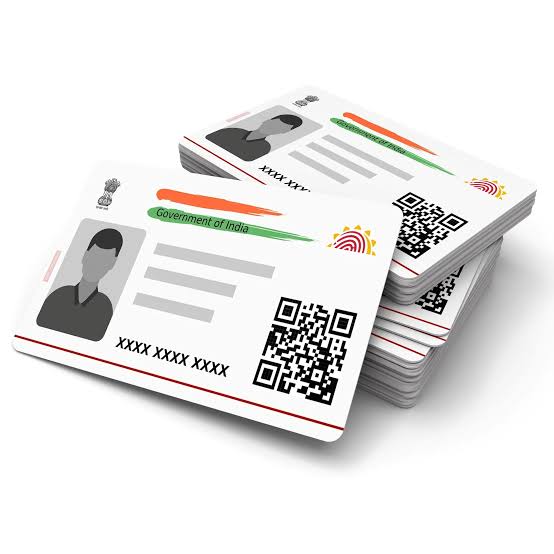
NEW DELHI: In a significant clarification, the Supreme Court has ruled that an Aadhaar card cannot be treated as conclusive proof of Indian citizenship. The observation was made during a hearing on a batch of petitions challenging the special intensive revision of electoral rolls being conducted in Bihar by the Election Commission of India (ECI).
A bench of Justices Surya Kant and Joymalya Bagchi backed the ECI’s long-held position that Aadhaar is a document for identity and residence, but not citizenship. The court noted that while Aadhaar can serve as a valid and authentic identification document for various purposes, it does not, by itself, confer citizenship. This distinction is crucial as the Aadhaar system is designed to provide a unique identity to all residents of India, which includes foreign nationals residing in the country for a certain period.
The court’s decision came as it addressed petitions filed by political leaders and civil society groups, including RJD leader Manoj Jha, who alleged that the electoral roll revision process could lead to the disenfranchisement of a large number of eligible voters. The petitioners argued that despite residents possessing documents like Aadhaar, ration, and EPIC cards, officials were not accepting them as definitive proof.
The bench acknowledged the petitioners’ concerns but also pointed out that Aadhaar and ration cards could not be considered “definitive” proof of citizenship. The court’s observation reinforces the need for other legally valid documents, such as a birth certificate or a passport, to establish citizenship. It also sought to address the “trust deficit” between the ECI and the petitioners, stating that the commission was within its right to verify claims and that the process was subject to correction before the final electoral roll is published.
The Supreme Court’s ruling aligns with the foundational principles of the Aadhaar Act, 2016, and the stance of the Unique Identification Authority of India (UIDAI), which has consistently maintained that Aadhaar is a proof of identity and not citizenship. The decision is expected to have a far-reaching impact on voter registration and citizenship-related legal proceedings across the country.