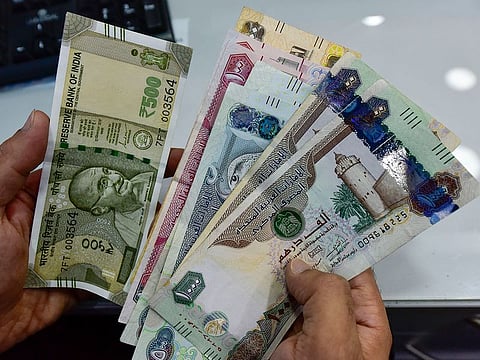
MUMBAI: The Reserve Bank of India (RBI) is taking a major step toward reducing the Indian Rupee’s dependence on the US Dollar as the primary benchmark for foreign exchange rates. In a significant policy shift, the central bank is working to establish direct exchange rate mechanisms between the Rupee (INR) and several foreign currencies, including the UAE Dirham (AED) and the Indonesian Rupiah (IDR).
According to a report by The Economic Times, this marks a move away from the long-standing system where the Rupee’s value against most global currencies is calculated indirectly through the US Dollar. By introducing direct reference rates with more partner nations, the RBI aims to simplify currency conversions, cut transaction costs, and promote the wider use of the Rupee in international trade.
At present, the RBI publishes daily reference rates for the Rupee against four major currencies — the US Dollar (USD), Euro (EUR), Japanese Yen (JPY), and the British Pound (GBP). The inclusion of the Dirham and Rupiah will expand this list and enhance India’s engagement with key trading partners, especially in Asia and the Middle East.
In addition to the UAE and Indonesia, the RBI is reportedly exploring the establishment of a direct reference rate between the Rupee and the Mauritian currency. This move aligns with India’s ongoing efforts to internationalise the Rupee, enabling trade settlements in INR without routing transactions through the US Dollar.
Experts suggest that such measures could strengthen the Rupee’s global standing, support smoother trade settlements, and provide greater currency stability in regional markets. The RBI’s latest initiative reflects a broader trend among emerging economies seeking to diversify away from the US Dollar-dominated financial system and enhance monetary autonomy.
Once implemented, these changes are expected to facilitate direct pricing and settlement of trade between India and its key partners in local currencies — a step that could reshape India’s foreign exchange landscape and promote a more resilient financial ecosystem.