An enduring funerary practice dating back centuries continues to draw global attention
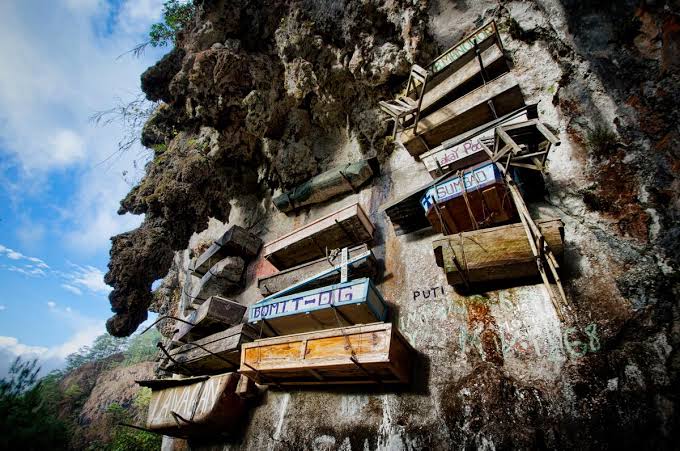
SAGADA, MOUNTAIN PROVINCE, PHILIPPINES — High on the limestone cliffs of northern Luzon, rows of wooden coffins hang precariously on rocky ledges—silent witnesses to one of the Philippines’ most unique and ancient Indigenous funerary customs. The Kankanaey people, one of the major ethnolinguistic groups of the Cordillera region, continue to uphold a burial practice known globally as “Hanging Coffins.”
A Burial Tradition Unlike Any Other
Unlike most cultures where the dead are buried underground or cremated, the Kankanaey traditionally place their deceased in wooden coffins suspended from cliffs or nestled into natural crevices. The practice, believed to be over 500 years old, is both spiritual and practical.
For the Kankanaey, raising the dead toward the mountains is symbolic — it is believed that the higher the body is placed, the closer the soul is to the ancestral world. The elevated position also protects the remains from animals, floods, and erosion.
Historical Origins
Archaeologists trace the tradition to ancient Austronesian tribes that settled in the Cordillera highlands. Similar hanging coffin practices have been documented in:
- Southern China (Gongxian, Wuyi Mountains)
- Indonesia (Toraja people)
- Myanmar and Thailand hill tribes
But the Kankanaey version is notable for its continuous cultural preservation even as modern influences reshape Indigenous customs.
How the Ritual Is Performed
The process is considered sacred and reserved for select community members. Traditionally:
- The deceased is placed in a fetal position, symbolizing the cycle of life.
- Family members carve the coffin from a single piece of wood.
- Men climb the cliffs using vines and stakes to secure the coffin on rock ledges.
- Offerings, prayer chants, and animal sacrifices accompany the ritual to guide the spirit to the afterlife.
Only respected elders, shamans, or individuals with special status in the community qualify for a hanging coffin burial.
Modern-Day Challenges and Tourism Pressure
Over the past two decades, Sagada and surrounding regions have become popular tourist attractions. Visitors flock to the “Hanging Coffin Trail,” generating revenue but also raising concerns:
- Cultural disruption due to insensitive tourism
- Environmental degradation of fragile cliff ecosystems
- Pressure on younger generations to abandon traditional ways
- Risk of traditional burial areas being vandalized or commercialized
Local leaders and cultural advocates stress that these sites are not tourist displays but sacred resting places.
Government and Cultural Protection Efforts
The Philippine National Commission for Culture and the Arts (NCCA) has worked with local tribes to document and safeguard burial cliffs. Some areas have been restricted, and community elders now play a key role in approving tourist access.
UNESCO researchers have also expressed interest in including the Cordillera’s hanging coffin sites in future heritage conservation programs due to their unique anthropological value.
A Living Testament to Ancestral Identity
Though fewer families choose the tradition today due to Christian influences and modern burial laws, the Kankanaey people remain deeply proud of this ancient practice. For them, the cliffs are not relics of the past—they are active connections to the spirits of their ancestors, carved into the mountains they have called home for centuries.