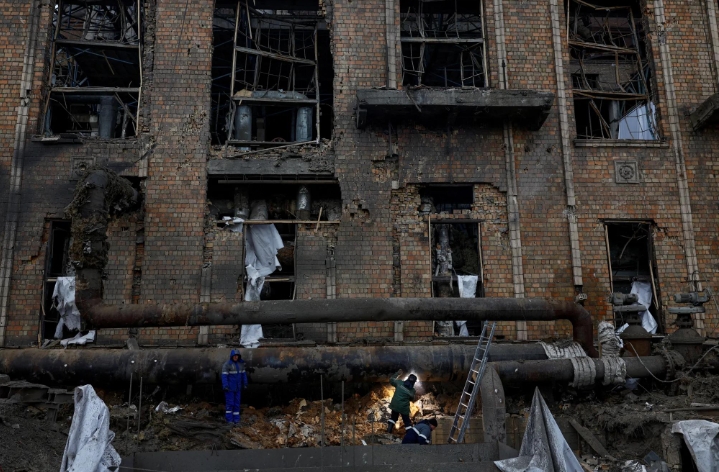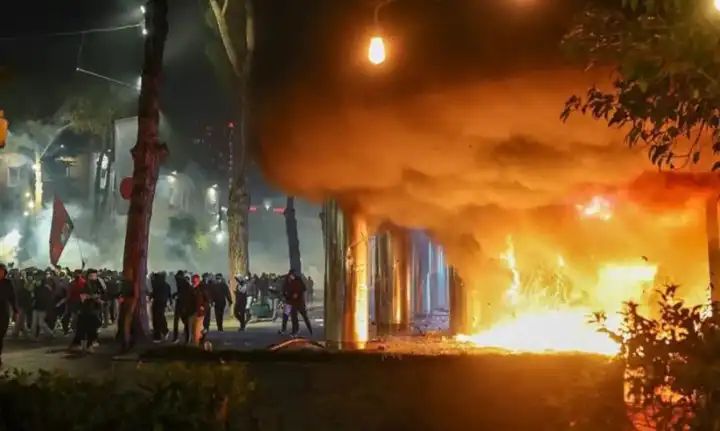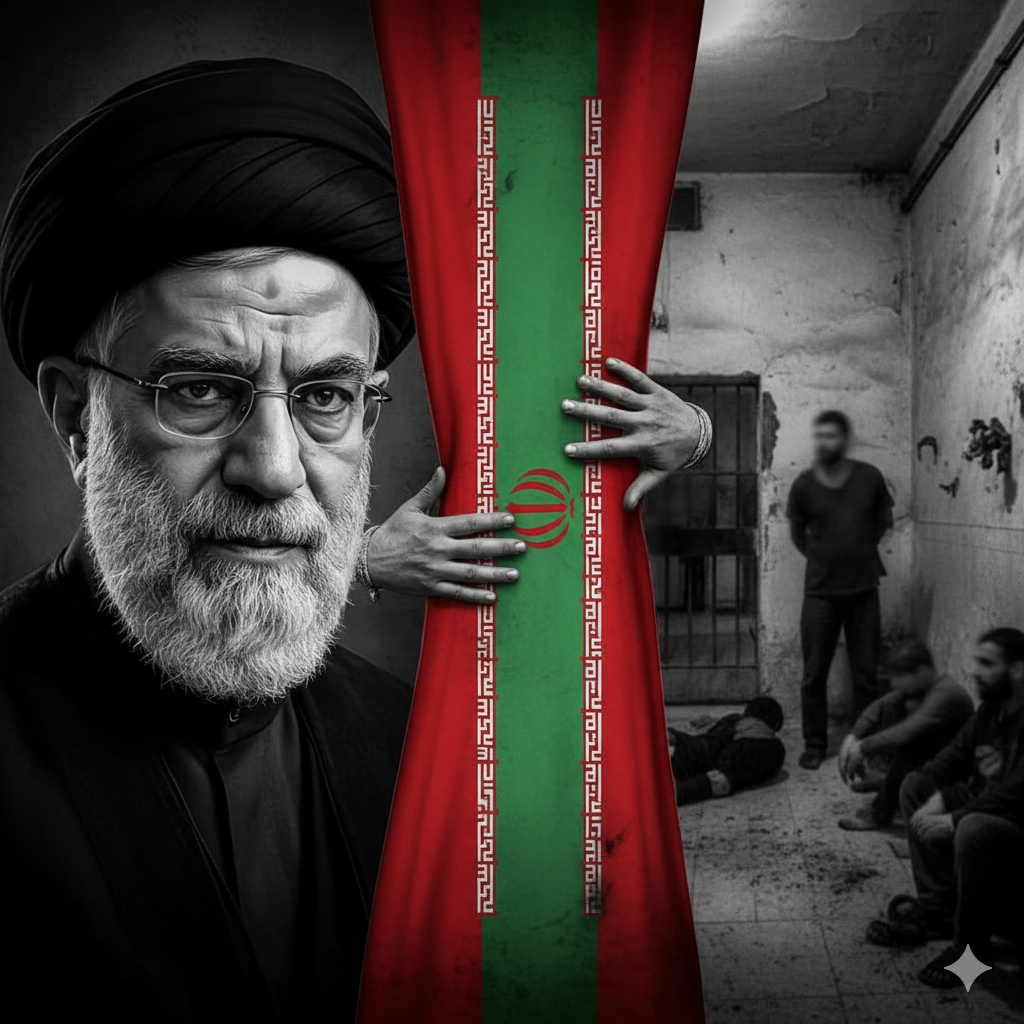
Amid widespread demonstrations across Iran over economic hardship and calls for political change, the government of Supreme Leader Ayatollah Ali Khamenei has faced mounting global condemnation for its violent repression of protesters, including allegations of forced nudity, torture, sexual abuse, and unexplained medical injections while in custody. Independent rights monitors, activist networks, and leaked testimonies paint a grim picture of state brutality and systematic violations of human rights.
Crackdown: Humiliation, Torture and Abuse
Emerging reports from human rights monitors and witnesses describe harsh and degrading treatment of detainees by Iranian security forces, including:
- Forcing detained protesters to strip naked and leaving them exposed to freezing conditions as a form of punishment or humiliation.
- Accounts of detainees receiving unknown injections while in custody, raising fears of forced medical procedures or drugs administered against their will.
- Reports of beatings and abuse by riot police and security personnel during arrests and detention.
Separate investigations by rights groups, such as the Kurdistan Human Rights Network, document cases where Iranian security forces sexually assaulted protesters — including minors — while in custody. A 16-year-old protester, among others, was reportedly subjected to sexual mistreatment by riot police during arrest and transfer, underscoring the severity of abuses faced by detained demonstrators.
The Scale of Repression
The protests, which erupted in late December 2025 over economic grievances, have since grown into widespread anti-government demonstrations across Iran’s 31 provinces. Human rights monitoring organizations estimate a significant number of deaths and arrests amid the government’s crackdown:
- A leading activist agency has verified at least 3,919 deaths linked to the protests nationwide, while many more remain under investigation.
- Arrests linked to the unrest have surpassed 24,000 detainees, according to available estimates.
Iranian authorities have acknowledged “several thousand” deaths but dispute many international figures, instead blaming foreign actors — especially the United States — for instigating the unrest.
Iran’s government has also used state media to broadcast dozens of televised confessions from detained protesters. Rights activists argue these are coerced confessions obtained after psychological or physical torture and used to justify prosecutions and harsh sentences.
Judicial Response and International Reaction
The Iranian judiciary has vowed to fast-track trials for thousands of arrested protesters, signaling a possible wave of harsh sentences, including executions, for those labelled as criminals or “enemies of the state.”
International bodies are increasingly vocal:
- The UN Human Rights Council announced an emergency session to address “alarming violence” against protesters, with support from multiple countries seeking to spotlight human rights violations.
- European Union legislators have imposed bans on Iranian diplomats entering EU institutions in response to the crackdown.
Public Beliefs and Identity Shifts Within Iran
The turmoil has further influenced societal outlooks among Iranians:
- Many protesters and citizens — traditionally identified as Muslim, particularly under Iran’s theocratic system — are increasingly vocal about secular governance, individual freedoms, and resistance to clerical rule.
- There are documented cases of Iranians distancing themselves from formal religious identity due to disillusionment with systemic repression and human rights abuses, adopting non-religious or secular worldviews.
- A smaller but notable number have expressed affinity with global evangelical or human rights-oriented communities, driven largely by calls for liberty and human dignity rather than theological conversion. (These trends have been referenced in analyses by human rights organizations monitoring diaspora voices and internal communication leaks.) (While reliable quantitative data on conversion or religious identity changes is limited due to internet blackouts and censorship, anecdotal reports from exiled Iranian activists and international NGOs suggest a growing discourse on religious freedom and identity beyond state-controlled structures.)
Conclusion
Iran’s response to domestic unrest under Supreme Leader Khamenei — involving forced humiliation, torture, sexual violence, coerced confessions, and a high death toll — has drawn sharp international condemnation and raised urgent calls for independent investigation. With the country largely cut off from independent media due to internet blackouts and heavy state censorship, the true extent of the repression remains difficult to fully quantify, but human rights reporting indicates systematic violations and escalating state brutality against dissenting voices.
Sources
- “U.S.-based activist agency says it has verified 3,919 deaths from Iran protests”, AP/Associated Press.
- Reports of detainee abuse and forced humiliations during the crackdown.
- Iranian security forces accused of sexual abuse of protesters including minors.
- Activists say state media aired coerced confessions after torture.
- UN Human Rights Council emergency session on Iran.
- Iran summons European envoys over support for protests.