India has asked the dependents of its diplomatic staff posted in Bangladesh to return home, citing escalating security concerns and a deteriorating law-and-order situation in the neighbouring country. The move comes just weeks before Bangladesh’s parliamentary elections scheduled for February 12, 2026, reflecting growing unease in New Delhi over recent developments in Dhaka.
India’s Precautionary Move
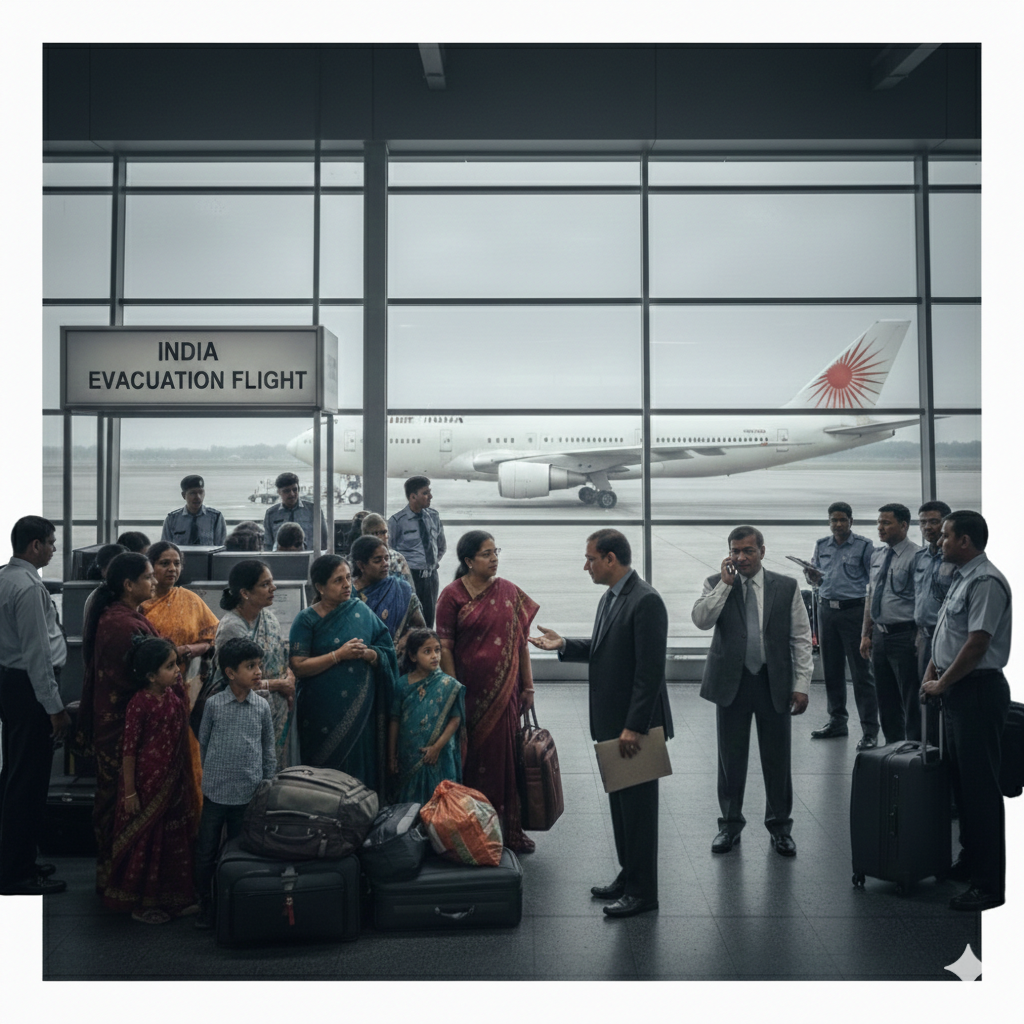
According to official sources, the Indian government has classified its missions in Bangladesh as “non-family” postings, meaning that families of Indian diplomats and officials are being advised to return to India as a precautionary step. All five Indian diplomatic missions — including the High Commission in Dhaka and four Assistant High Commissions in Chattogram, Khulna, Rajshahi and Sylhet — will continue to operate at full strength.
Officials emphasized that the decision is “strictly a security measure” and does not signal a downgrading of India-Bangladesh diplomatic relations. However, it underscores growing concerns in New Delhi about the safety of its personnel amid a volatile political environment and rising tensions over domestic issues in Bangladesh.
Context: Political Situation in Bangladesh
Bangladesh’s political landscape has seen dramatic transformation since the fall of former Prime Minister Sheikh Hasina in August 2024, following widespread protests and her subsequent resignation. Nobel laureate Dr. Muhammad Yunus now heads an interim government tasked with overseeing transition and preparing for elections.
While the Yunus administration promised reforms and stability, critics — including Sheikh Hasina herself from exile — accuse the interim government of presiding over a breakdown of law and order, particularly pointing to the death of a student leader and related unrest. Hasina has claimed that violence and instability under the interim regime have strained Bangladesh’s internal stability and its ties with neighbouring countries, especially India.
Minority Rights and Law-and-Order Concerns
India’s warning about security also ties into broader concerns about incidents affecting minority communities in Bangladesh. According to a review of police records by the Bangladeshi interim government, 645 incidents involving minority communities were recorded in 2025. The interim government stated that most of these were criminal in nature rather than driven by communal motives, with a smaller portion — 71 cases — identified as having communal elements such as temple vandalism and threats.
Despite this characterization, some human rights groups have raised alarms about rising violence against minorities, with reports highlighting serious cases including sexual violence that disproportionately affected minority women and children.
India’s Concerns and Diplomatic Stance
India has repeatedly urged Dhaka to address security issues, especially those affecting minorities. A spokesperson for India’s External Affairs Ministry has described reports of recurring attacks on minority communities and their property as “disturbing”, emphasizing the need for decisive action by Bangladeshi authorities.
The current diplomatic decision to advise families to return and to make postings “non-family” reflects India’s heightened vigilance as the elections approach, and represents a cautious approach to protect Indian nationals while maintaining full diplomatic engagement.
Regional Dynamics: China and Pakistan
The political transition in Bangladesh has also influenced Dhaka’s foreign policy orientation. As Yunus’s interim government seeks broader international support, Bangladesh has engaged with countries like China and has maintained relationships with Pakistan, prompting calls for India to reassess and reinforce diplomatic outreach. Analysts argue that New Delhi must navigate a more complex regional environment where China and Pakistan are active players in South Asian geopolitics.
Conclusion
India’s decision to bring back families of its diplomats from Bangladesh highlights growing security concerns tied to political volatility, societal tensions, and minority rights issues as the country heads into a crucial election period. While diplomatic missions remain fully operational, New Delhi’s measured response underscores the seriousness with which it views developments in Dhaka and its commitment to protecting its citizens abroad.