Strasbourg, France:
The Dancing Plague of 1518 remains one of the most bizarre and frightening episodes recorded in European history. The unexplained outbreak began in July 1518 in Strasbourg—then part of the Holy Roman Empire, now located in modern-day France—and quickly escalated into a public health crisis.
How It Began
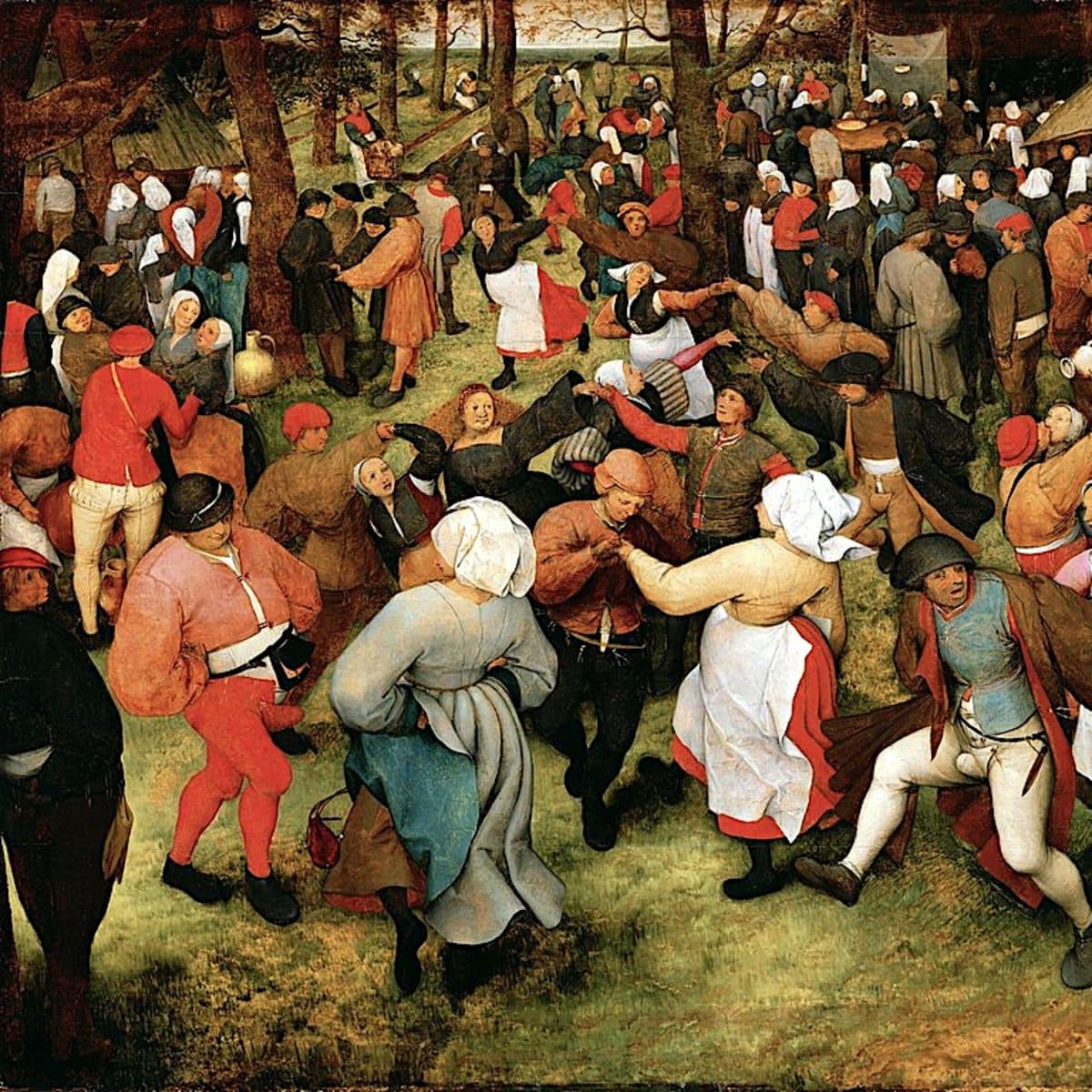
According to historical accounts, a woman known as Frau Troffea suddenly began dancing uncontrollably in a street. She reportedly continued for days, collapsing from exhaustion before resuming again. Within a week, dozens had joined her, and within a month the number of dancers reportedly reached around 400.
A Growing Disaster
Many participants appeared unable to stop despite severe fatigue and injuries. Contemporary reports suggest some victims died from complications such as exhaustion, heart attack, or stroke after days of relentless movement.
Authorities Made It Worse
Believing the condition was caused by “hot blood,” local authorities encouraged sufferers to dance it out. They opened halls and even hired musicians to keep the dancers moving—actions that likely intensified the outbreak rather than stopping it.
What Caused the Dancing?
The exact cause remains unknown, but historians and scientists have proposed several theories:
- Ergot poisoning: Consumption of rye contaminated with a hallucinogenic fungus may have triggered convulsions and altered mental states.
- Mass psychogenic illness: Many scholars favor the idea that extreme stress—caused by famine, disease, and hardship—led to a form of collective psychological breakdown.
A Mystery That Still Fascinates
By September 1518, the strange epidemic subsided almost as suddenly as it had begun. Despite centuries of study, the Dancing Plague continues to puzzle researchers and stands as one of history’s most enduring unsolved phenomena.
Sources: Encyclopaedia Britannica; History.com.