Raipur. February 22, 2026
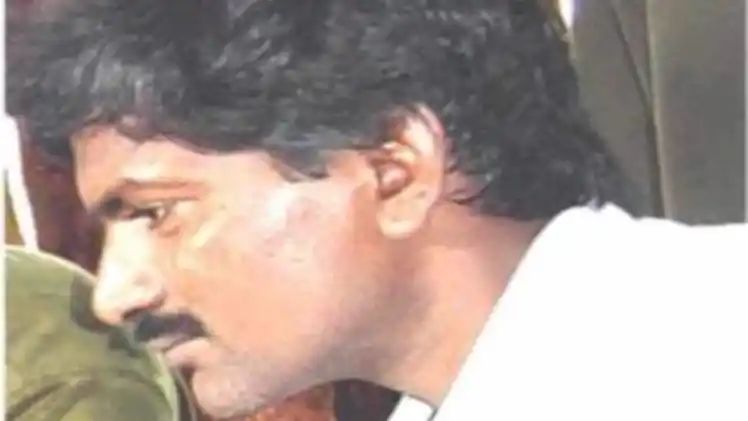
In a significant development in India’s ongoing anti-Maoist operations, security agencies announced that a senior leader of the banned outfit , communist party of India( Maoist). identified as ‘Devji’, has surrendered. According to internal security officials, the voluntary surrender of a leader holding such a high-ranking position is an unprecedented event in the organisation’s history.
Who Is Devji?
According to security officials, Devji was associated with key central and special zonal committees within the Maoist hierarchy. He was reportedly active in operations across central India, including the Dandakaranya region.
Within the Maoist organisational structure, membership in the Central Committee or Special Zonal Committee is considered among the most strategically significant positions. Officials believe the surrender of a leader at this level could have a substantial operational and psychological impact on the group.
Biography
Devji’s real name has not been officially disclosed for security reasons. Intelligence assessments indicate that he became associated with the Maoist movement in the late 1990s.
Early Life
- Born in a rural region of central India.
- Developed links with left-wing ideological groups during his student years.
- Entered the Maoist movement in the late 1990s through activism related to land and development issues.
Rise Within the Organisation
- Began his involvement at the level of a local armed squad (dal).
- Subsequently rose through the ranks: Area Committee → Divisional Committee → Zonal leadership roles.
- Played a strategic role within the Dandakaranya Special Zonal Committee.
- Security reports suggest he influenced recruitment, arms procurement and cadre training operations.
Legal and Security Background
- Named as an accused in multiple cases across different states, according to police records.
- Was the subject of coordinated investigations by several state agencies.
- Some reports indicate that a monetary reward had been announced for information leading to his capture.
The Surrender: Where and How?
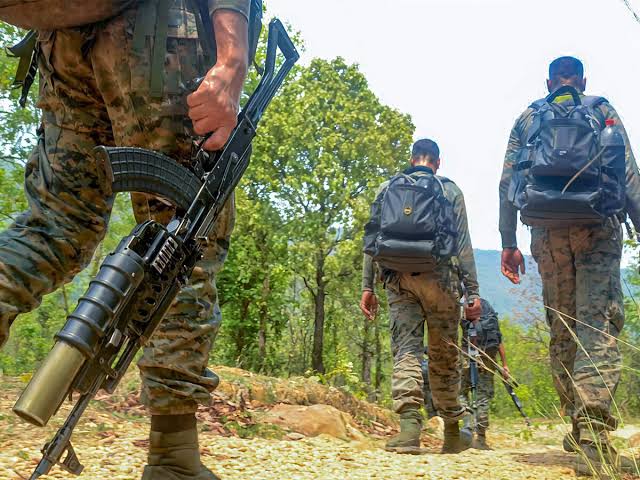
Officials stated that Devji surrendered following sustained operations conducted jointly by the Chhattisgarh Police and central security forces. Authorities said the surrender took place under the framework of the state government’s rehabilitation and reintegration policy.
A senior police officer said:
“The surrender of someone who held such a senior position is a major psychological and operational setback for the organisation.”
Historical Context
The was formed in 2004 and has since been active in armed insurgency across states such as Chhattisgarh, Maharashtra, Odisha, Andhra Pradesh and Telangana.
While several Maoist commanders have surrendered over the past decade, defections from leaders occupying central strategic positions have been rare. Officials suggest that this may be the first instance of a Central Committee-level leader voluntarily surrendering.
The government has attributed the weakening of Maoist influence to intensified security operations, development initiatives, and the expansion of road and communication infrastructure in affected regions.
Government Response
A spokesperson for the Union Home Ministry said:
“Those willing to renounce Maoist violence and join the mainstream will receive full support from the government. Surrendered cadres will be provided rehabilitation and financial assistance.”
The state government confirmed that its rehabilitation package includes financial aid, vocational training and security protection.
Security Assessment
Security analysts believe the surrender of a senior leader could:
- Create confusion within the organisational hierarchy
- Lower morale among cadres
- Encourage further surrenders
At the same time, security forces remain on alert amid concerns that remaining Maoist factions could attempt retaliatory actions.
Conclusion
Devji’s surrender is being viewed as a critical milestone in India’s anti-Maoist campaign. Officials describe it as a rare and potentially historic development within the organisation’s structure. Further official details are expected to be released in the coming days.