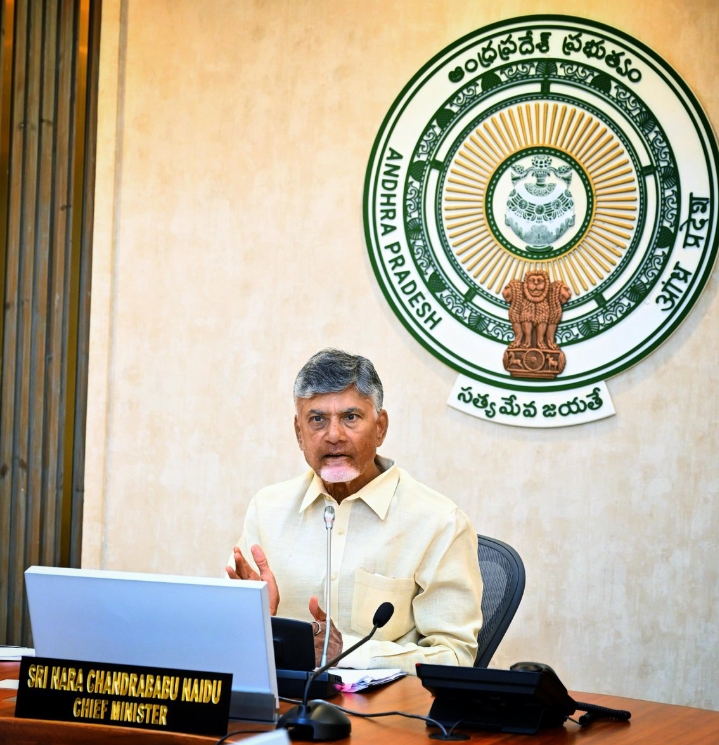
The government of Andhra Pradesh, led by Chief Minister Chandrababu Naidu , is planning to introduce a new population policy aimed at addressing the state’s declining birth rate. As part of the proposed initiative, the government is considering providing a financial incentive of ₹25,000 for families from the birth of their second child onwards. The measure is intended to encourage higher fertility rates and maintain demographic balance in the coming decades.
According to reports, the incentive would be provided to parents at the time of childbirth. Officials believe that such financial support could motivate families to have more children, especially as fertility rates continue to decline in several southern Indian states. The initiative is part of a broader effort by the state government to manage demographic challenges and ensure a sustainable population structure.
Currently, the Total Fertility Rate (TFR) in Andhra Pradesh is estimated to be around 1.5, which is significantly below the replacement-level fertility rate of 2.1 required to maintain a stable population. Experts warn that persistently low fertility rates can lead to long-term challenges such as a shrinking workforce, an ageing population, and increased pressure on social welfare systems.
State authorities have indicated that the proposed population management policy may be announced in March, with implementation expected to begin in April. The policy is being designed as a comprehensive framework that goes beyond financial incentives alone. It is expected to include multiple components aimed at improving social and economic conditions for families.
Among the key focus areas under consideration are maternal health services, increasing women’s participation in the workforce, strengthening care systems for the elderly, expanding skill development programmes, and enhancing digital health infrastructure. Officials say these elements together form a five-pillar approach intended to address demographic challenges while supporting family welfare and economic growth.
The government believes that early intervention through such policies will help the state prepare for future demographic shifts and maintain a healthy balance between working-age citizens and the elderly population.