TIRUPATI, ANDHRA PRADESH:
The Tirumala Tirupati Devasthanams (TTD), which manages the world-renowned Lord Venkateswara temple, has been plunged into yet another major controversy after an internal vigilance probe exposed a decade-long ₹54-crore fraud in the procurement of ceremonial shawls. The latest revelation has intensified scrutiny of the temple administration, already under fire over the adulterated Tirupati Laddu Prasadam controversy and alleged systemic failures in governance.
Polyester Sold as Silk for a Decade
According to TTD officials, an internal investigation ordered by the TTD Board found that from 2015 to 2025, a single vendor allegedly supplied 100% polyester dupattas and angavastrams, falsely passing them off as pure mulberry silk, as mandated in tender conditions.
Laboratory tests conducted by the Central Silk Board (CSB) in Bengaluru and Dharmavaram confirmed that the cloth samples were polyester and not silk. The investigation also found that the mandatory silk hologram was missing from the supplied items.
Financially, the fraud is estimated to have caused a loss of over ₹54 crore, with shawls costing roughly ₹350 being billed to the temple at around ₹1,389 per piece. These ceremonial shawls are routinely presented to donors, VIPs, and dignitaries as part of temple honours.
Following the findings, the TTD Board cancelled the supplier’s contract and has formally approached the Andhra Pradesh Anti-Corruption Bureau (ACB) to conduct a detailed probe, including examination of tender approvals and possible official complicity.
Shadow of the Laddu Adulteration Scandal
The shawl procurement scam has surfaced at a time when the TTD is still grappling with the fallout of the Tirupati Laddu Adulteration controversy, one of the most sensitive religious scandals in recent years.
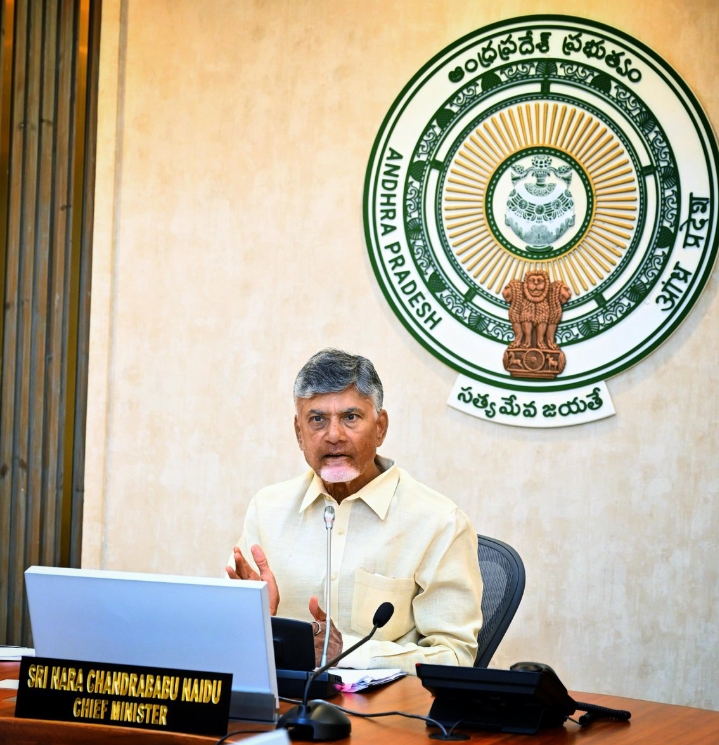
In late 2024, the then Andhra Pradesh Chief Minister alleged that ghee used in the preparation of the sacred Tirupati Laddu Prasadam was adulterated and contained animal fat, lard, and non-vegetarian impurities, in violation of long-standing religious practices mandating pure cow ghee.
The allegations triggered nationwide outrage, protests by devotees, and multiple Public Interest Litigations (PILs) in the Supreme Court. While initially cautioning against politicisation, the apex court eventually ordered the formation of an independent Special Investigation Team (SIT), with oversight akin to the CBI, to investigate the ghee procurement chain.
Subsequent SIT findings confirmed that between 2019 and 2024, several dairies supplied adulterated ghee, contaminated with palm oil, vegetable fats, and chemicals, causing financial losses worth crores and compromising the sanctity of the prasadam.
Allegations of Systemic Interference
The recurrence of high-value scandals—ranging from Parakamani (donation vault) irregularities to the laddu and silk frauds—has fueled allegations of systemic corruption and administrative decay within the TTD.
Critics and petitioners have alleged that the current governance structure, which allows government appointments to the TTD Board, enables political interference and the entry of officials who may lack religious commitment. They argue this violates the spirit of Articles 25 and 26 of the Constitution, which protect the freedom of religion and grant religious denominations the right to manage their own affairs.
The failure of the TTD’s vigilance mechanisms to detect the polyester-as-silk fraud for nearly a decade has further strengthened demands for structural reforms, independent oversight, and depoliticisation of temple administration.
Faith Shaken, Calls for Reform Grow
Together, the laddu adulteration findings and the ₹54-crore angavastram scam have deeply shaken the confidence of millions of devotees across India and abroad. Religious bodies and civil society groups are now demanding criminal accountability, recovery of losses, and permanent safeguards to ensure the sanctity and transparent administration of one of Hinduism’s most revered shrines.
Authorities say investigations are ongoing, and further action will follow based on ACB findings.