Background
Ahead of the 2026 West Bengal Legislative Assembly elections, a Special Intensive Revision (SIR) of the electoral rolls has led to the deletion of approximately 9.1 million (91 lakh) voters, according to officials. The Election Commission stated that the exercise aimed to ensure the accuracy and integrity of the voter list by removing duplicate entries, deceased individuals, shifted voters, and ineligible registrations.
The large-scale deletions have triggered significant political debate and social concern across the state.
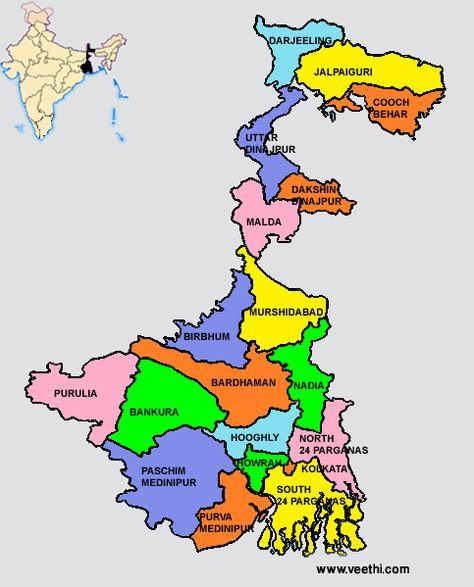
District-wise Overview
(Figures are indicative and based on aggregated reports and analyses, as detailed official data has not been fully released.)
| District | Approx. Number of Deletions | Key Characteristics |
|---|---|---|
| Murshidabad | 1.1 million | Highest deletions; border district |
| North 24 Parganas | 1.0 million | Densely populated border region |
| South 24 Parganas | 0.9 million | High population density |
| Malda | 0.8 million | Border district |
| Nadia | 0.6 million | Border influence |
| Kolkata | 0.5 million | Urban migration and duplication |
| Howrah | 0.4 million | Industrial and urban area |
| Birbhum | 0.3 million | Predominantly rural |
| Purba & Paschim Bardhaman | 0.5 million | Mixed demographic profile |
| Cooch Behar | 0.3 million | Border district |
| Purulia | 0.1 million | Tribal-dominated region |
| Jhargram | 0.1 million | Lowest deletions |
Constituency-wise Highlights
High Deletion Constituencies
- Domkal (Murshidabad)
- Jangipur (Murshidabad)
- Suti (Murshidabad)
- Basirhat North (North 24 Parganas)
- Deganga (North 24 Parganas)
- English Bazar (Malda)
Moderate Deletions
- Kolkata Port
- Howrah Central
- Krishnanagar North
Low Deletions
- Bandwan (Purulia)
- Gopiballavpur (Jhargram)
Religion and Community-wise Trends
Note: The Election Commission of India does not officially publish religion-wise electoral data. The following observations are based on political statements and independent analyses.
| Community | Observed Trend |
|---|---|
| Muslim | Higher scrutiny reported in minority-dominated districts such as Murshidabad and Malda. |
| Hindu | Significant deletions also noted in urban and border areas. |
| Matua Community | Some deletions attributed to documentation issues. |
| Tribal Communities | Comparatively fewer deletions observed. |
Key Reactions and Quotes
Election Commission of India
“The Special Intensive Revision is a routine exercise aimed at ensuring the purity and accuracy of the electoral rolls. All eligible citizens are given opportunities to re-enroll.”
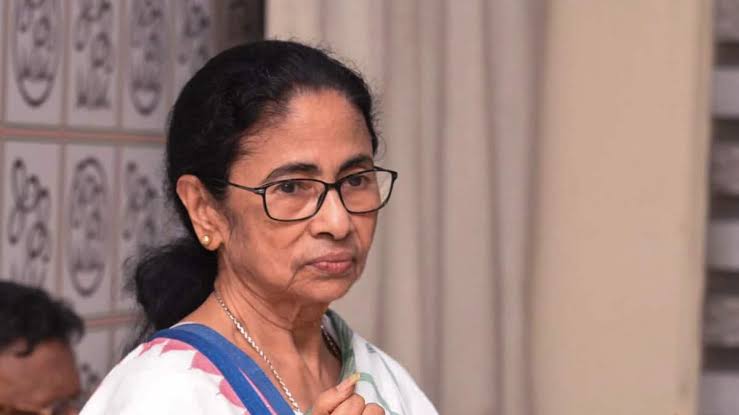
Mamata Banerjee, Chief Minister of West Bengal
“Names of people belonging to specific communities are being deliberately removed. Such attempts to undermine democratic rights will not be tolerated.”
BJP Leadership
“Removing ineligible and duplicate entries strengthens the democratic process and ensures free and fair elections.”
Election Expert
“Large-scale deletions can create public anxiety. Transparency and an accessible grievance redressal mechanism are essential to maintain trust in the electoral system.”
Primary Reasons for Deletions
- Duplicate voter entries
- Deceased individuals
- Migration or change of residence
- Incomplete or invalid documentation
- Ineligible registrations
Political and Social Implications
- Impact on Election Outcomes:
Significant deletions in certain constituencies could influence electoral results. - Concerns Among Minority Communities:
Allegations of disproportionate impact have sparked political and social debates. - Legal Challenges:
The issue may lead to petitions and judicial scrutiny. - Political Polarization:
The revision has intensified political discourse ahead of the elections.
Guidelines for Voters
- Verify your name on the electoral roll through the National Voters’ Service Portal (NVSP).
- Form 6: Apply for inclusion if your name is missing.
- Form 8: Request corrections or updates.
- Contact the Booth Level Officer (BLO) for assistance.
Conclusion
The deletion of approximately 9.1 million voters during the Special Intensive Revision in West Bengal represents one of the largest electoral roll purification exercises in recent times. While the Election Commission maintains that the process is administrative and necessary, the scale of deletions and perceived community-wise disparities have fueled political controversy and public concern.
Ensuring transparency, fairness, and accessibility will be crucial to maintaining confidence in the democratic process as the state approaches the 2026 Assembly elections.