National correspondent.
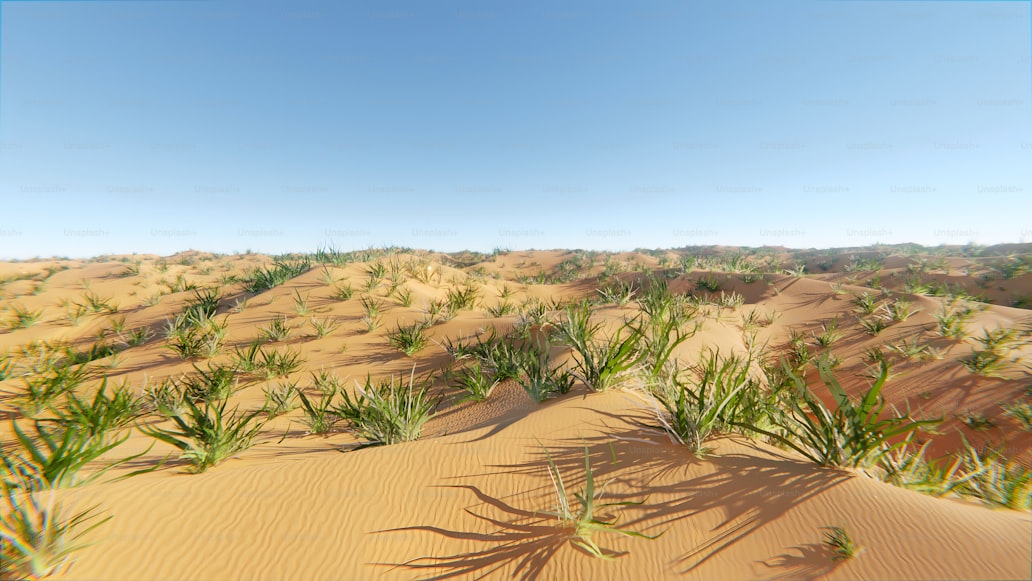
Observed every year on June 17, the World Day to Combat Desertification and Drought raises awareness about the urgent need to halt land degradation and promote sustainable land management practices. This year’s theme, “United for Land. Our Legacy. Our Future,” spotlights the collective responsibility of nations, communities, and individuals in healing the planet’s rapidly deteriorating land resources.
Global Overview: Rising Land Degradation Crisis
As per the United Nations Convention to Combat Desertification (UNCCD):
Over 40% of global land is degraded.
3.2 billion people are affected by land degradation.
The world loses 24 billion tons of fertile soil annually due to erosion, deforestation, and unsustainable farming.
Droughts have increased in frequency and severity by 29% since 2000.
This year, over 100 countries participated in awareness campaigns, restoration projects, and policy forums. Major initiatives were seen across Africa, Asia, Europe, and the Americas.
India: Driving Land Restoration at Scale
India, among the countries most affected by land degradation, marked the day with a week-long campaign led by the Ministry of Environment, Forest and Climate Change (MoEFCC).
🔹 Key Facts:
Nearly 30% of India’s land (about 96.4 million hectares) is degraded.
India aims to restore 26 million hectares by 2030, aligning with its UNCCD Bonn Challenge commitment.
🔹 Major Events Across India:
National Event in New Delhi
A high-level conference was held at Vigyan Bhawan, inaugurated by Environment Minister Bhupender Yadav. Key themes included:
Launch of the Desertification Risk Atlas 2025.
Presentation of community-led success stories from Rajasthan, Bundelkhand, and Deccan Plateau.
Announcements on expanding agroforestry under PM Krishi Sinchai Yojana.
Rajasthan
In the Thar Desert region, more than 1 million saplings were planted through public-private partnerships.
Solar-powered drip irrigation projects were launched for local farmers.
Gujarat and Maharashtra
Demonstration of regenerative farming techniques and drought-resilient crops in tribal areas.
Awareness programs conducted by Krishi Vigyan Kendras.
Bundelkhand (Uttar Pradesh–Madhya Pradesh)
Women-led self-help groups showcased water harvesting models and soil revival methods.
North-East States
Programs on shifting cultivation alternatives and preserving soil biodiversity through traditional practices.
Global Highlights by Region
Africa
Niger, Burkina Faso, and Senegal held large-scale land restoration drives under the Great Green Wall initiative.
Youth groups in Kenya used drone mapping to identify degraded zones for reforestation.
China
The Chinese government announced an expansion of the Green Belt and Road land rehabilitation programs.
Inner Mongolia hosted tree-planting events engaging over 500,000 citizens.
Europe
The EU Commission held a summit in Brussels to discuss land-based solutions for climate change under the European Green Deal.
Spain and Portugal launched joint projects to combat soil salinization in the Iberian Peninsula.
Latin America
Brazil hosted an indigenous-led forum focused on Amazon soil regeneration.
Peru’s mountain communities shared innovations in terrace farming and climate-smart irrigation.
United States
USDA conducted a national review on desertification threats in the Southwest and released new land-use policies.
School-based campaigns were rolled out in California and Arizona to educate youth on desert ecology.
Focus on Women, Youth, and Indigenous People
This year placed strong emphasis on empowering local stewards of the land:
Women farmers in India and Africa were spotlighted for adopting natural farming and soil regeneration techniques.
Youth climate activists organized digital media campaigns with hashtags like #RestoreLand and #MySoilMyFuture.
Indigenous communities in South America and Australia were recognized for preserving land through ancient practices.
Technology and Innovation
Technological interventions were celebrated as essential tools in the fight:
India’s ISRO unveiled new satellite data tools for monitoring soil moisture and erosion.
AI-based drought prediction models were adopted by African and Asian nations.
Biochar and microbial soil treatments were introduced to degraded lands in Kenya and Tamil Nadu.
Conclusion: A Global Movement Takes Root
The World Day to Combat Desertification 2025 served as a crucial turning point in recognizing that land restoration is a global solution to hunger, climate change, water scarcity, and poverty. Countries like India are not just victims of degradation but are emerging as leaders in restoration through bold policies, community participation, and innovation.
“Restoring land is restoring life,” said UNCCD’s Ibrahim Thiaw. “It is our legacy to leave the Earth better than we found it.”