Adinath
For generations, fireflies have captivated the imagination of children and adults alike, lighting up summer nights with their magical glow. But according to a groundbreaking study by biologist Rafael De Cock, reported by National Geographic, these enchanting insects may soon become a rare sight. Fireflies are now facing an alarming risk of extinction, and their populations are declining across the globe.
Fading Lights: The Science Behind the Glow
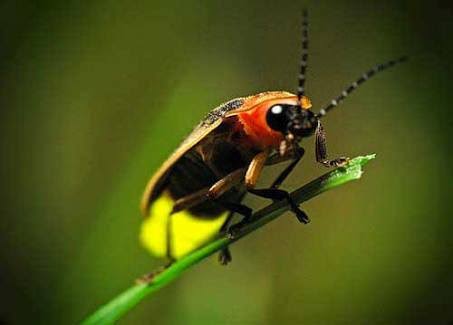
Fireflies, also known as lightning bugs, belong to the beetle family Lampyridae, with over 2,000 identified species. Most species are crepuscular, meaning they become active during twilight. They emit yellowish light primarily to attract mates, but in some cases, this glow is also used to lure prey.
The light they produce is the result of a chemical reaction called bioluminescence, which occurs in specialized cells in their lower abdomen. The wavelengths of this light typically range between 510 and 670 nanometers, giving fireflies their signature yellowish-green glow.
Major Threats to Fireflies
While fireflies have existed for millions of years, recent decades have seen sharp declines in their numbers. Rafael De Cock’s research highlights several critical threats that are pushing these iconic insects toward extinction:
- Loss of Habitat
Fireflies thrive in warm, moist environments such as wetlands, marshes, forests, and riverbanks — places where their larvae develop and hunt. However, urbanization, deforestation, and agricultural expansion are destroying these natural habitats at an alarming rate. Many firefly species are now believed to be locally extinct due to habitat fragmentation. - Light Pollution
Artificial lights — particularly bright LED streetlights and decorative lighting — are a significant disruptor to firefly behavior. Male fireflies use light signals to find females, but widespread light pollution confuses and disorients them, making mating difficult or impossible. This severely affects their reproductive success and long-term survival. - Pesticides and Chemical Fertilizers
Firefly larvae, which live in soil or near water bodies, are especially vulnerable to pesticides and synthetic fertilizers used in large-scale agriculture. These chemicals can kill larvae, contaminate their environments, and reduce the availability of prey. In some cases, entire populations have vanished from previously thriving habitats. - Climate Change
Sudden weather fluctuations, shifts in temperature, and changes in humidity due to global climate change are also impacting firefly lifecycles. These changes can delay emergence, reduce mating success, and affect the availability of prey, especially in regions already stressed by environmental degradation.
Urgent Need for Conservation
Experts warn that without immediate conservation efforts, we may lose many species of fireflies forever. Rafael De Cock and other scientists advocate for global action, including:
Restoring and preserving firefly habitats such as wetlands, forests, and grasslands.
Reducing artificial light pollution, especially near natural areas.
Limiting the use of harmful pesticides and fertilizers in agriculture and gardening.
Conducting awareness campaigns to educate the public on the importance of fireflies and how to help protect them.
A Call to Action
Fireflies are more than just a beautiful spectacle; they are an important part of our ecosystems. Their decline signals deeper environmental issues that affect many species, including humans. By taking simple but effective conservation steps, we can ensure that future generations will continue to enjoy the breathtaking glow of fireflies dancing through the night.