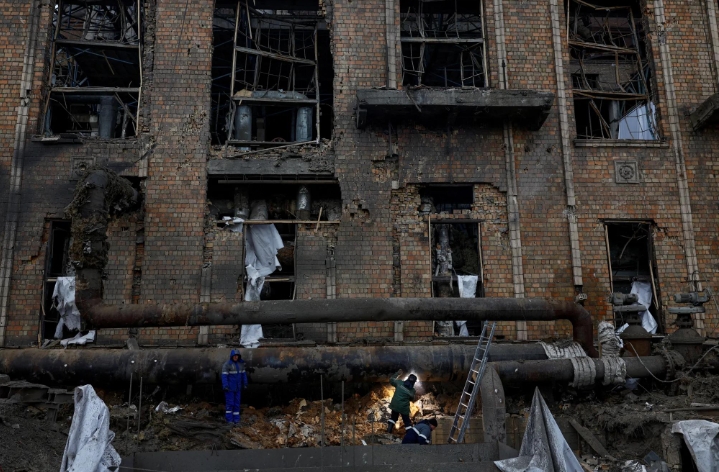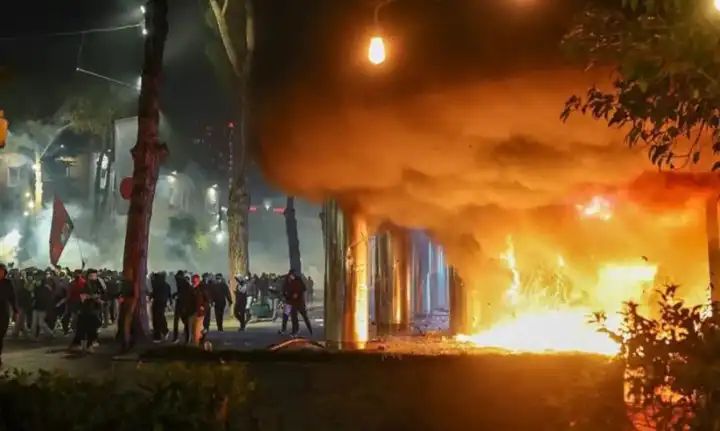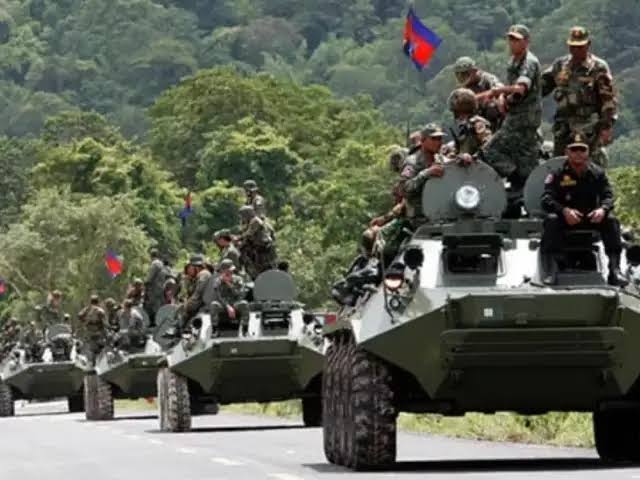
Bangkok/Phnom Penh, July 24, 2025 – The long-simmering territorial dispute between Thailand and Cambodia erupted into deadly violence on Thursday, leaving more than 10 civilians and soldiers dead and prompting a severe downturn in diplomatic relations. Both Southeast Asian neighbors accused each other of initiating the clashes, which involved heavy weaponry and even air power, near disputed ancient temple sites along their shared border.
The fighting, concentrated around areas such as the Prasat Ta Muen Thom temple and the broader “Emerald Triangle” region, saw exchanges of gunfire, artillery shelling, and rocket attacks. The Royal Thai Army reported that an F-16 fighter jet was deployed and conducted targeted airstrikes against Cambodian military targets.
Thai officials also confirmed at least nine civilian deaths and multiple injuries on their side, with some casualties resulting from Cambodian rocket attacks on civilian areas. Cambodia’s Ministry of National Defence, meanwhile, stated its troops acted in self-defense against “unprovoked incursions” by Thai forces.
The escalation follows weeks of heightened tensions, including recent landmine blasts that injured several Thai soldiers, which Thailand has blamed on newly laid mines by Cambodian forces. This led to Thailand expelling the Cambodian ambassador and recalling its own envoy on Wednesday, and closing all land border crossings. Cambodia retaliated by downgrading diplomatic ties, expelling the Thai ambassador, and recalling its embassy staff from Bangkok.
The dispute between the two nations over their 817-kilometer land border, particularly around ancient temple sites like Preah Vihear, has a long and often violent history. While the International Court of Justice awarded sovereignty of the Preah Vihear temple area to Cambodia in 1962 (a ruling reaffirmed in 2013), surrounding land claims remain contentious and have been a frequent source of conflict.
Leaders from both sides reiterated their commitment to peaceful resolution in principle but stated they were left with no choice but to respond to military aggression. Cambodian Prime Minister Hun Manet emphasized, “Cambodia has always stood by its principle of resolving disputes through peaceful means, but in this situation, we have no choice but to respond with military force against the armed aggression.”
The international community is closely monitoring the situation, with calls for an immediate cessation of hostilities and a return to diplomatic dialogue. The rapid escalation has raised concerns about regional stability and the potential for a wider conflict.