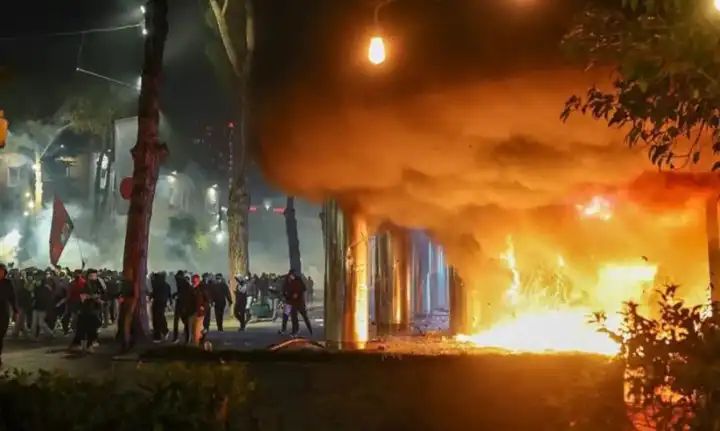
On October 9, 2025, Israel and Hamas reached a historic agreement marking the first phase of a ceasefire to end the two-year-long Gaza conflict, initiated by Hamas’s October 7, 2023, attack on southern Israel. The war resulted in over 67,000 Palestinian deaths, more than 169,000 injuries, and significant infrastructure destruction in Gaza, while Israel suffered over 1,200 deaths and the abduction of 250 hostages.
Key Elements of the Ceasefire Agreement:
- Immediate Cessation of Hostilities: Both sides agreed to halt all military operations.
- Hostage-Prisoner Exchange: Hamas will release 20 Israeli hostages, and Israel will free approximately 1,700 Palestinian prisoners.
- Israeli Troop Withdrawal: Israeli forces will pull back to previously agreed lines within Gaza.
- Humanitarian Aid Access: The deal facilitates the entry of humanitarian aid into Gaza, addressing the urgent needs of displaced civilians.
- Temporary International Governance: An international trusteeship, led by the U.S. and Arab partners, is proposed to temporarily administer Gaza, overseeing reconstruction and governance.
Background of the Conflict:
The conflict began on October 7, 2023, when Hamas launched a deadly attack on southern Israel, resulting in over 1,200 Israeli deaths and the abduction of more than 250 hostages. In response, Israel initiated a military campaign in Gaza, leading to widespread destruction and a humanitarian crisis. Gaza’s Health Ministry reported over 67,000 Palestinian deaths and more than 169,000 injuries during the war.
International Reactions:
- United Nations: The UN welcomed the agreement and called for swift humanitarian aid delivery.
- United States: President Donald Trump hailed the deal as a step toward “durable peace” and emphasized U.S. involvement in rebuilding Gaza.
- United Kingdom: Prime Minister Keir Starmer welcomed the development and called for swift humanitarian aid delivery.
Challenges and Unresolved Issues:
Despite the agreement, several challenges remain:
- Disarmament of Hamas: The fate of Hamas’s weapons and its role in Gaza’s future governance are yet to be determined.
- Implementation Concerns: Previous ceasefires have collapsed due to violations by both sides, raising doubts about the durability of this agreement.
- Reconstruction Efforts: The extensive damage to Gaza’s infrastructure poses significant challenges for reconstruction and the delivery of aid.
While the ceasefire agreement marks a significant step toward ending the two-year conflict, the path to lasting peace remains fraught with challenges. The international community’s role in supporting the implementation of the agreement and addressing the underlying issues will be crucial in determining the future stability of Gaza and the broader region.