Thiruvananthapuram, October 23, 2025:
In a significant policy reversal, the Kerala government has formally signed the Memorandum of Understanding (MoU) with the Union government to join the Pradhan Mantri Schools for Rising India (PM SHRI) scheme, ending months of resistance and internal rifts within the ruling Left Democratic Front (LDF).
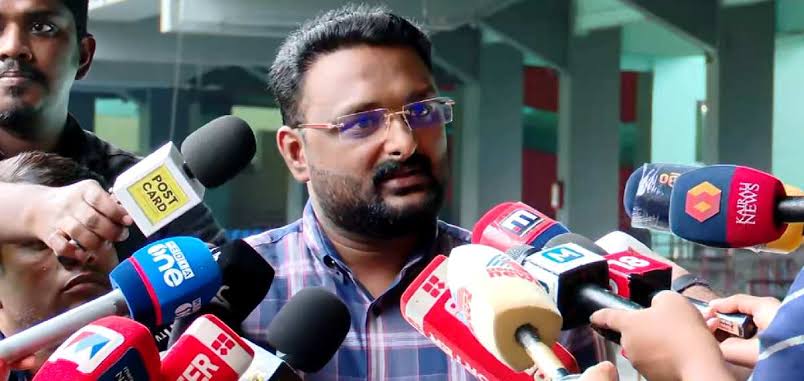
The decision, confirmed by General Education Minister V. Sivankutty, marks a pragmatic shift in the state’s stance. Sivankutty said the move was taken in the best interest of Kerala’s students and education sector, which has been facing a severe financial crunch. He clarified that participation in the scheme does not imply acceptance of the National Education Policy (NEP) 2020, which the LDF continues to oppose.
“We have joined the scheme to ensure that the funds meant for our students are not denied. This does not mean that Kerala has accepted NEP 2020 or its provisions,” Minister Sivankutty stated.
The PM SHRI scheme, launched by the Central government, aims to develop around 14,500 schools across India into model institutions showcasing the components of NEP 2020. The scheme is jointly funded by the Centre and the states, with Central assistance contingent on signing the MoU.
Internal Rifts Within the LDF
The decision was taken despite strong opposition from the Communist Party of India (CPI) — the second-largest party in the LDF coalition. CPI leaders had argued that accepting the PM SHRI scheme amounted to indirectly implementing NEP 2020, which they view as an attempt to centralize education and introduce ideological bias.
Earlier this year, the CPI had reportedly blocked the proposal twice in the state Cabinet meetings, citing concerns that it would “open a backdoor for NEP implementation in Kerala.”
The CPI(M), however, pushed for the agreement in light of financial constraints and the Union government’s decision to withhold nearly ₹1,500 crore in Central assistance for key educational initiatives — including the Samagra Shiksha Abhiyan (SSA) — due to Kerala’s non-participation in PM SHRI.
Financial and Political Context
Sources in the state government revealed that high-level meetings were held between Chief Minister Pinarayi Vijayan and Union Ministers over the past few weeks to resolve the deadlock. Facing mounting fiscal pressure and delays in fund disbursal, the state eventually decided to proceed with the MoU to ensure continued financial support for government and aided schools.
While the Bharatiya Janata Party (BJP) welcomed the decision, it also criticized the LDF government for its earlier opposition, which it claimed caused unnecessary delays in availing Central benefits.
“The Kerala government’s political stubbornness has only hurt its students. We welcome their decision, but it should have come much earlier,” BJP leaders said.
Kerala’s Assurances
Minister Sivankutty emphasized that the Kerala Education Department will continue to adhere to the state’s own policies and curriculum frameworks, and that PM SHRI schools in Kerala will operate under state supervision.
“Kerala’s academic model and values will remain unchanged. This decision is purely to ensure access to the funds and infrastructure improvement our schools deserve,” he clarified.
CPI’s Continued Opposition
Despite the government’s clarification, CPI leaders have maintained their dissent. Party sources described the move as “unilateral and politically unwise,” alleging that it was taken without proper consultation in either the Cabinet or the LDF’s coordination committee.
CPI State Secretary Binoy Viswam (as reported in earlier statements) reiterated that any association with PM SHRI undermines Kerala’s autonomous stand on education policy.
What Lies Ahead
Kerala’s participation now makes it eligible for Central grants to upgrade selected schools as PM SHRI model institutions, with improvements in infrastructure, digital classrooms, teacher training, and skill development programs.
However, the political rift within the LDF over the issue may continue, with the CPI likely to raise the matter in the next coalition meeting.
Summary:
Kerala’s decision to sign the PM SHRI MoU represents a pragmatic compromise between financial necessity and ideological resistance. While it secures long-delayed Central funding for education, it has also exposed the growing fault lines within the Left coalition over the handling of education policy and relations with the Union government.