New Delhi, November 21, 2025 — In a sweeping and long-anticipated overhaul of India’s labour governance system, the Central Government on Friday officially implemented the Four Labour Codes, effective immediately. This transformative reform consolidates 29 existing Central and State labour laws into four streamlined, modern statutes — marking the most comprehensive restructuring of India’s labour regulations since Independence.
The reform aims to simplify compliance, modernize labour practices, expand social security, ensure wage protection, and bring India’s labour landscape closer to international standards.
The Four Labour Codes Implemented
Together, the four codes replace decades-old, fragmented legislation and unify them into a coherent system:
1. The Code on Wages, 2019
Replaces four wage-related laws, including the Minimum Wages Act.
Key provisions:
- Establishes a statutory National Floor Wage applicable across sectors.
- Ensures timely payment of wages.
- Prohibits unauthorized deductions.
2. The Industrial Relations Code, 2020
Redefines rules for trade unions, strikes, and industrial disputes.
Key provisions:
- Streamlined processes for union recognition and dispute resolution.
- Higher threshold for government approval of layoffs, retrenchment, and closure.
- Introduces Fixed-Term Employment (FTE) with benefits equal to those of permanent employees.
3. The Code on Social Security, 2020
Expands the social security architecture to cover the modern workforce.
Key provisions:
- Gig and platform workers included in PF, ESI, and other social security schemes.
- Portability of benefits across states and employers.
- Reduces eligibility for Gratuity for FTE workers from 5 years to 1 year of continuous service.
4. The Occupational Safety, Health and Working Conditions (OSHWC) Code, 2020
Combines 13 laws related to workplace safety and welfare.
Key provisions:
- Mandatory appointment letters for all workers.
- Women allowed to work night shifts in all sectors, including hazardous industries and mining, subject to safety safeguards.
- Uniform safety standards across establishments.
Major Benefits for Workers
The implementation of the new codes provides wide-ranging protections and improvements for India’s workforce:
✔ Universal Minimum Wages
All workers, across sectors and wage categories, now receive wages linked to the National Floor Rate.
✔ Expanded Social Security
Gig workers, platform workers, and those in MSMEs are brought into the formal social security net for the first time.
✔ Gender Equality and Protection
Strict prohibitions on discrimination based on gender, including protections for transgender persons, and reinforcement of equal pay for equal work.
✔ Mandatory Appointment Letters
All employers must issue written appointment letters, ensuring transparency, traceability, and formal employment records.
✔ Health and Safety
Free mandatory annual health check-ups for all workers above 40 years of age, along with broader workplace safety standards.
Implications for Industry
The new labour framework aims to modernize India’s business environment:
- Simplified Compliance: Significant reduction in regulatory complexity with 29 laws consolidated into 4 codes.
- Ease of Doing Business: Single registration and single annual return for multi-state establishments.
- Boost to Formalisation: Equal benefits for fixed-term employees reduce excessive reliance on contract labour and encourage formal hiring.
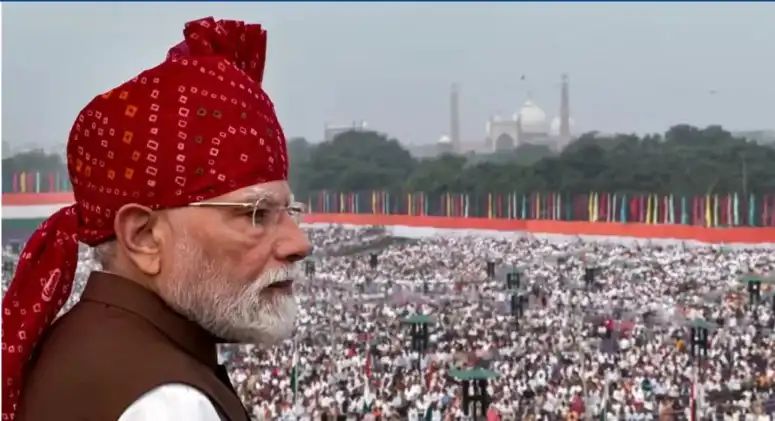
The government, led by Prime Minister Narendra Modi, hailed the implementation as a pivotal moment for ‘Aatmanirbhar Bharat’, stating that the reforms will foster a motivated, productive, and future-ready workforce.