New Delhi / Tehran / Middle East | International Desk
India has finally reacted to the killing of Iran’s Supreme Leader Ali Khamenei, expressing official condolences amid a rapidly escalating conflict between Iran, the United States, and Israel.
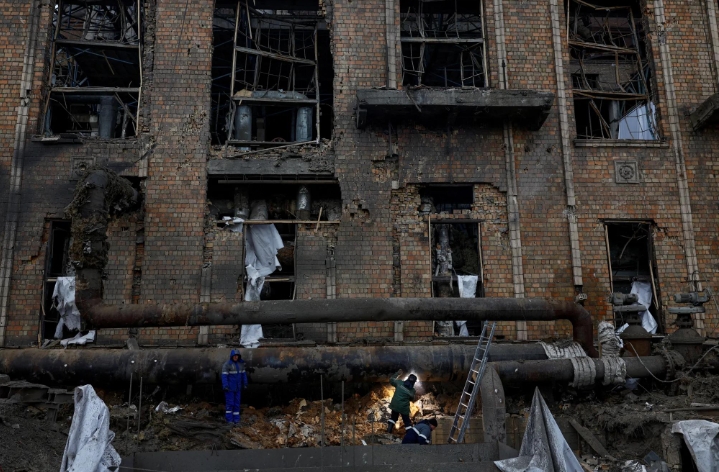
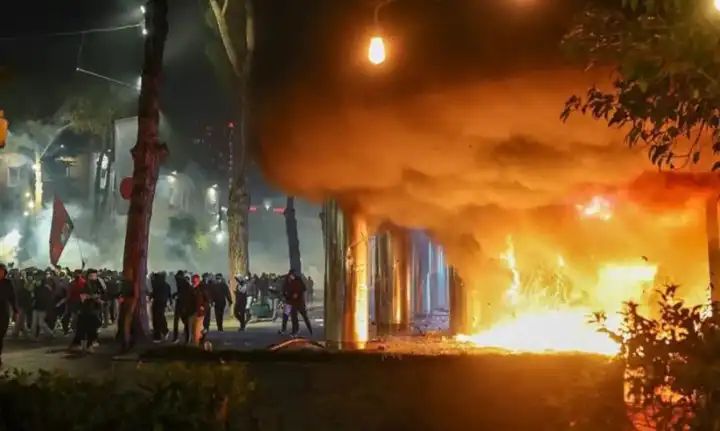
The development comes as the war in the Middle East enters a new and dangerous phase, with drone strikes, naval clashes, and advanced weapons deployments reported across the region.
India Offers Condolences After Days of Silence
India’s Vikram Misri visited the Iranian Embassy in New Delhi and signed the condolence book following the death of Khamenei.
According to reports, the gesture marked India’s first official reaction to the assassination of the Iranian leader.
Officials said the move was intended to convey diplomatic respect and solidarity during Iran’s national mourning period.
A government statement noted:
“Foreign Secretary Vikram Misri, on behalf of the Government of India, signed the Condolence Book at the Embassy of Iran in New Delhi and offered condolences.”
Khamenei, who ruled Iran since 1989, was reportedly killed in a joint U.S.–Israeli strike on February 28, according to multiple reports.
War Expands: “Operation Epic Fury”
The United States has reportedly launched a large-scale military campaign called “Operation Epic Fury.”
According to international reports, the operation has targeted nearly 2,000 Iranian military sites, including missile launchers and command centres.
The strikes aim to severely weaken Iran’s ballistic missile and drone capabilities.
Military sources claim:
“The air campaign has dwarfed that of the 2003 Iraq War and significantly reduced Iran’s missile and drone capacity.”
Reports also suggest the U.S. has begun deploying advanced laser-based air-defence systems to counter Iranian drones and missiles.
Naval Clash: Iranian Warship Sunk
A major naval escalation occurred when a U.S. submarine torpedo reportedly sank the Iranian warship IRIS Dena, killing more than 80 sailors.
The attack took place near major shipping lanes in the Indian Ocean, dramatically escalating the maritime dimension of the conflict.
Iran’s Retaliation
Iran has responded with a wave of missile and drone strikes targeting U.S. bases, Israeli territory, and allied infrastructure across the region.
Tehran also claimed responsibility for attacks on American-linked shipping routes.
Iranian officials said the country would respond decisively.
The Iranian ambassador in India stated:
“We entered negotiations despite knowing their intentions. But before the timeline ended, they attacked — and we announced that we would respond.”
Reports also indicate Iranian drones have landed or crashed in Azerbaijan, raising fears that the conflict could spread further across the region.
Global Alarm
The conflict has triggered widespread geopolitical concern.
- Several countries have begun evacuating citizens from the Middle East.
- Energy markets are unstable due to fears about the Strait of Hormuz, a key oil transit corridor.
- Regional allies of the U.S. have faced missile threats.
Analysts warn the confrontation could expand into a broader regional war involving multiple powers.
Timeline of the Escalation
Feb 28, 2026
US-Israel strike reportedly kills Ali Khamenei.
March 1–3
Iran launches missile and drone retaliation across the region.
March 4
Naval clash reported; Iranian warship sunk.
March 5
India officially expresses condolences; Foreign Secretary visits Iranian Embassy.
What Happens Next?
With retaliatory strikes continuing and new weapons systems being deployed, analysts say the Middle East conflict may be entering its most volatile phase in decades.
The crisis now involves:
- Leadership assassination
- Large-scale air campaigns
- Naval warfare
- Drone and missile attacks across borders
Diplomatic efforts to de-escalate remain uncertain as both sides prepare for further confrontation.