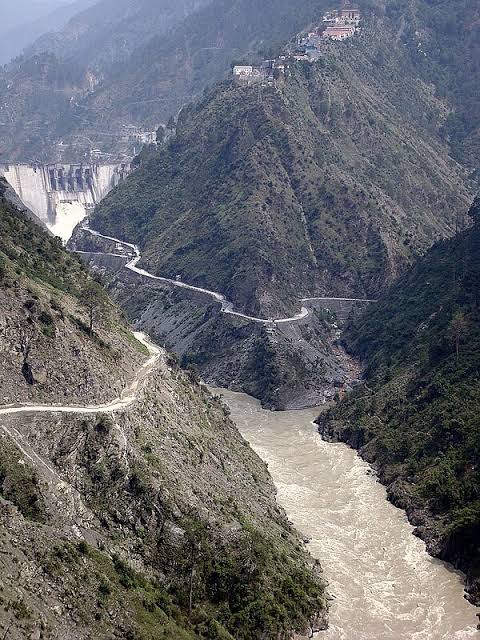
Pakistan is facing a significant setback due to the closure of the Baglihar Dam on the Chenab River, a critical water source for the country. This development is particularly impactful as Pakistan grapples with severe water scarcity, with per capita water availability declining from 5,700 cusecs in 1951 to approximately 1,000 cusecs currently .
Background and Implications
The Baglihar Dam, located in Jammu and Kashmir, India, is a run-of-the-river hydroelectric project with a total capacity of 900 MW. It plays a pivotal role in regulating the flow of the Chenab River, which is vital for irrigation and power generation in Pakistan. The closure of the dam disrupts the downstream water supply, exacerbating the already dire water situation in Pakistan.
Pakistan’s water infrastructure is under immense pressure, with significant losses in canal systems and a substantial portion of available water not reaching agricultural fields. The closure of the Baglihar Dam further strains the country’s ability to meet its irrigation and power needs, potentially leading to crop failures and increased reliance on water imports .