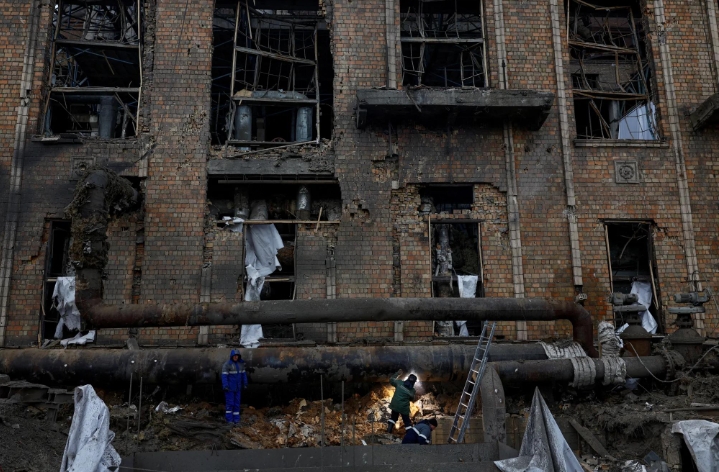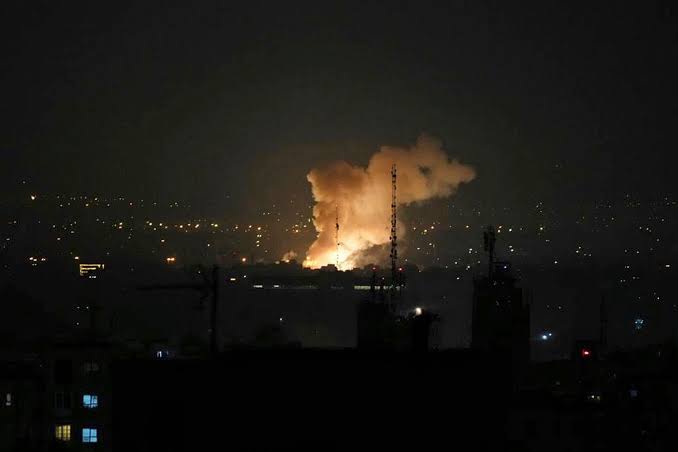
Early on Friday, June 13, 2025, explosions shook Tehran as Israel initiated a large-scale military operation targeting Iran’s nuclear and military infrastructure. The Israeli Defense Forces (IDF) and Mossad launched the operation, codenamed Am KeLavi, in an effort to prevent Iran from acquiring nuclear weapons. The strikes hit several key sites, including the Natanz uranium enrichment facility and military bases in Tehran, such as Parchin. Additionally, residential areas housing senior Iranian commanders were reportedly targeted, leading to significant casualties.
Israeli Prime Minister Benjamin Netanyahu confirmed the operation, stating that the attacks aimed to dismantle Iran’s nuclear program and missile capabilities. He emphasized that Iran’s nuclear ambitions posed a “clear and present danger” to Israel’s survival. The Israeli military also claimed that Iran had accumulated sufficient high-grade uranium to potentially assemble a nuclear bomb. Defense Minister Israel Katz declared a state of emergency, anticipating immediate retaliatory actions from Iran.
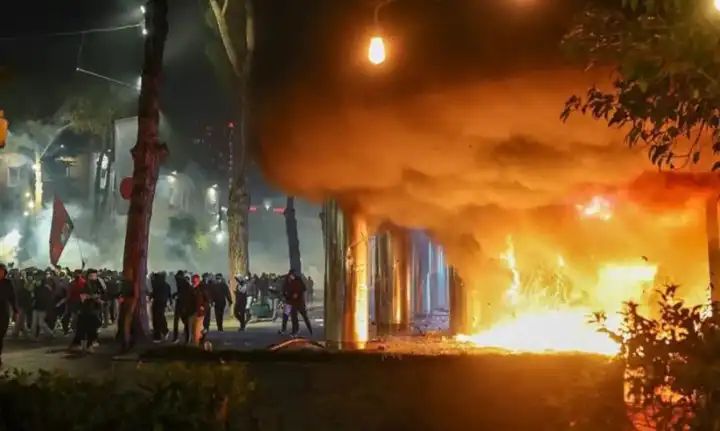
In Tehran, residents reported hearing massive explosions, and Iranian state television broadcast images of smoke and fire emanating from buildings. Iran’s air defenses were reportedly activated, and the country’s leadership convened an emergency security meeting. While Iran has not officially confirmed the extent of the damage, reports suggest that several high-ranking military officials may have been killed in the strikes.
The United States has stated that it was not involved in the Israeli strikes. Secretary of State Marco Rubio reiterated the U.S. commitment to protecting American forces in the region and warned Iran against targeting U.S. interests. President Donald Trump, while acknowledging the possibility of Israeli military action, expressed a preference for diplomatic solutions and cautioned against escalating the conflict.
The situation remains volatile, with both Israel and Iran on high alert. Analysts warn that the conflict could escalate into a broader regional war involving multiple nations. The international community is closely monitoring developments, with calls for restraint and renewed diplomatic efforts to prevent further violence