Rising Tensions: Heavy Civilian Casualties and Strategic Strikes as Israel-Iran Conflict Escalates
The Israel-Iran conflict has intensified dramatically following Israel’s major offensive beginning on June 13. Iran has reported widespread casualties, including key military and nuclear personnel. In retaliation, Iran launched a series of missile attacks on Israeli cities and infrastructure, further deepening the crisis.
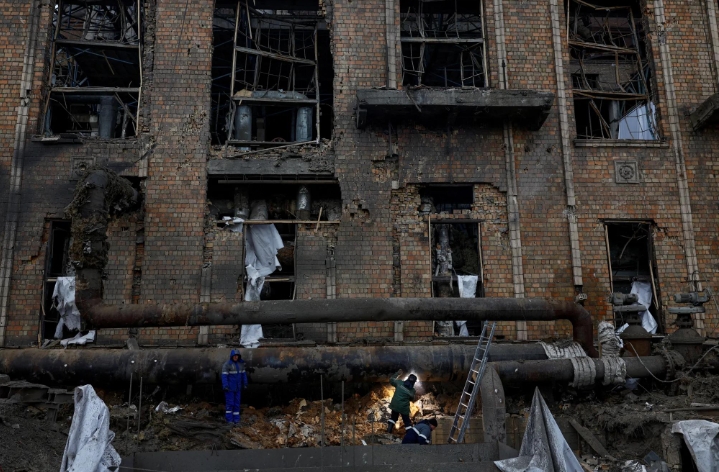
Iran’s Health Ministry reported that 1,277 people have been hospitalized following the Israeli airstrikes, with over 90% of those killed identified as civilians. The strikes also claimed the lives of two top IRGC (Islamic Revolutionary Guard Corps) intelligence officials—Brigadier General Mohammad Kasemi and Deputy General Hassan Mohaghegh—as confirmed by Israeli Prime Minister Benjamin Netanyahu.
In addition, Israeli media reported the deaths of 14 Iranian nuclear scientists as a direct result of the airstrikes, which targeted multiple strategic and military locations across Iran.
Meanwhile, Iran retaliated with over 270 ballistic missiles, hitting various parts of central and northern Israel. Among the casualties were 10 people, including five Ukrainian nationals, and more than 200 others were injured. The Israeli death toll has now reached 13.
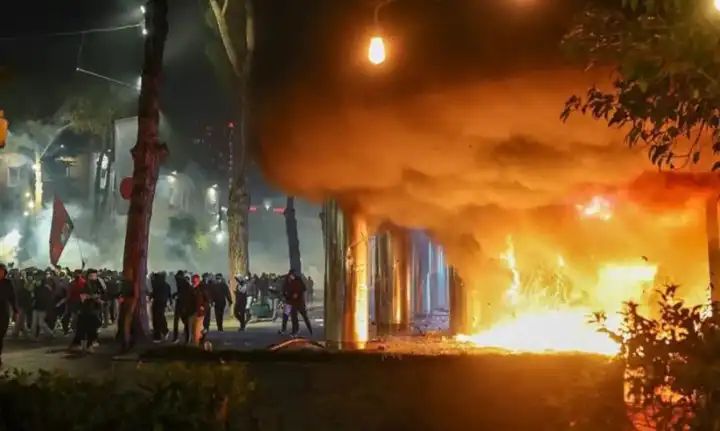
One significant target in Iran’s counteroffensive was the Shahran oil storage facility, which was set ablaze. Another notable strike reportedly targeted the Haifa Port, owned by Indian billionaire Gautam Adani, and nearby oil refineries. Though missile fragments hit the chemical terminal of the port, the Adani Group confirmed that no casualties or major damage occurred, and cargo operations continue without disruption.
The escalating conflict, involving strategic military strikes and high civilian tolls, has drawn international concern. As diplomatic efforts stall, the risk of further escalation remains dangerously high.