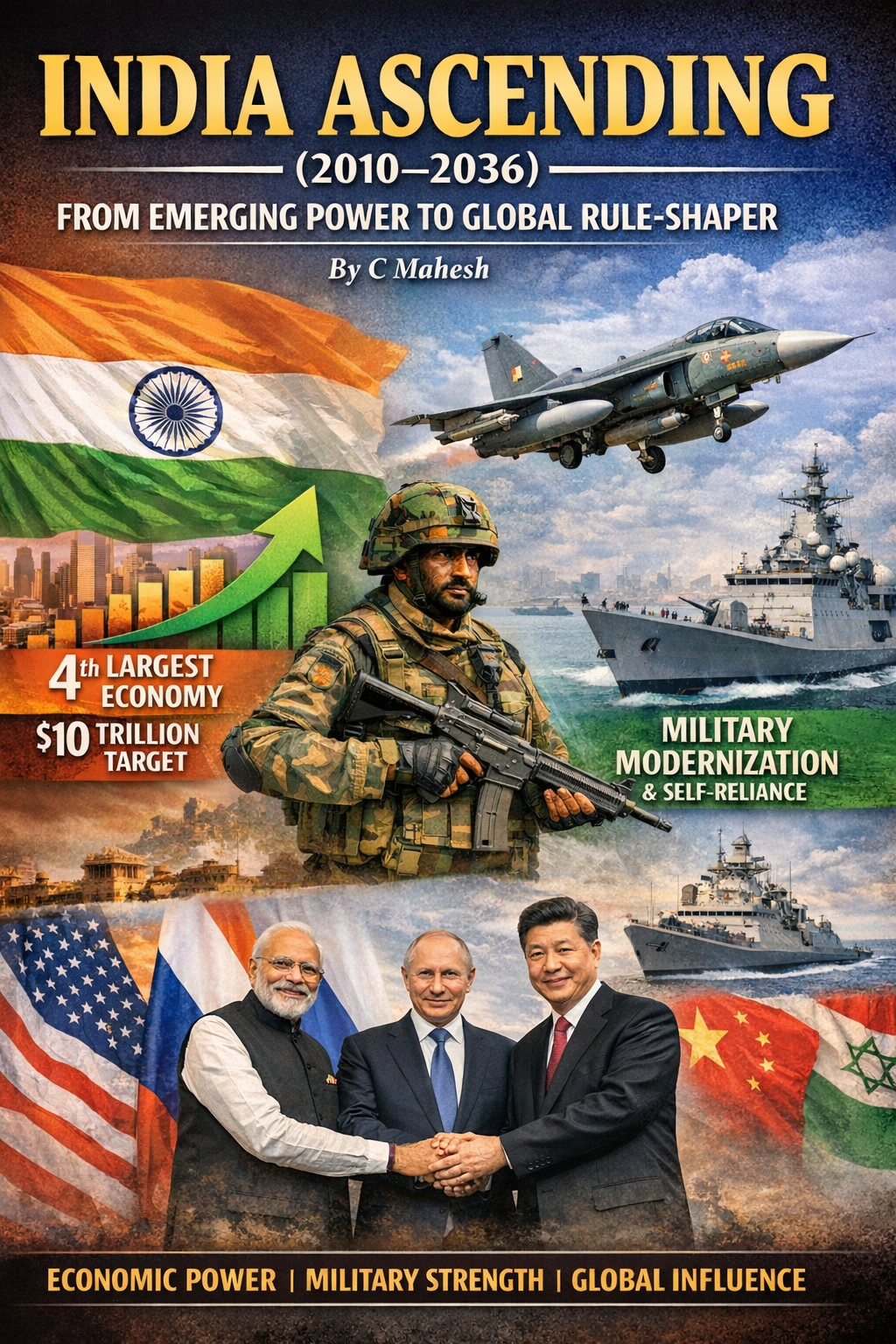
How India’s economic surge, military modernisation and diplomatic balancing are reshaping the global order
C Mahesh
THE BIG PICTURE
India’s Moment in History
In the early years of the 21st century, India was widely described as an “emerging economy” — a nation of promise rather than power. By 2025, that description had become outdated. India had moved decisively into the category of countries that shape global outcomes rather than merely respond to them.
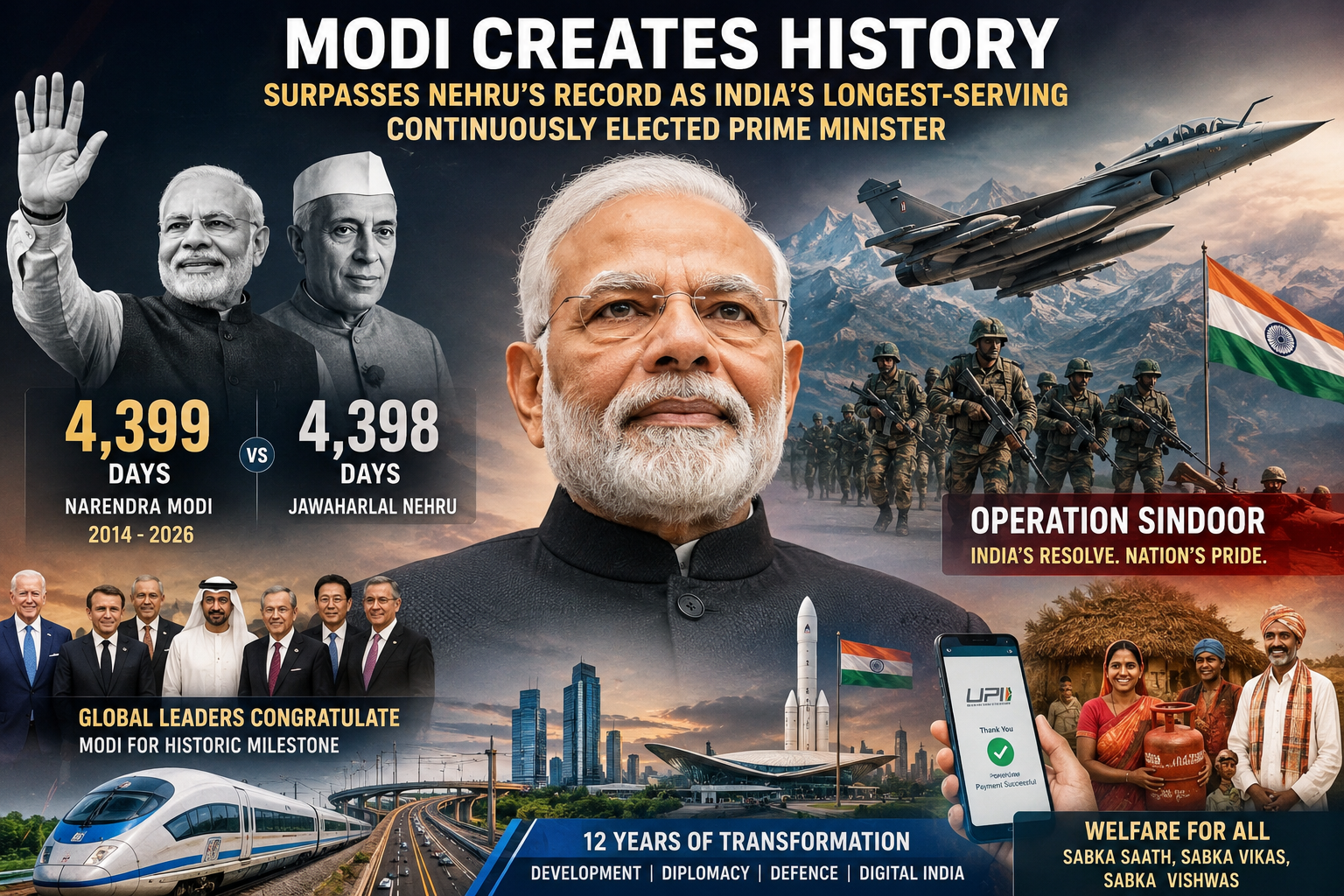
As the world enters the 2026–2036 decade, India stands at a strategic inflection point. Its economy has expanded to become the fourth largest globally, its military doctrine has shifted towards deterrence and self-reliance, and its diplomacy now reflects a rare ability to engage rival powers simultaneously without being absorbed into any single bloc.
This transformation is not rhetorical. It is visible in data, defence preparedness, industrial output, and the recalibration of foreign policies by the United States, Europe, China, Russia and the Global South — all of whom now view India as an indispensable strategic actor.
ECONOMIC POWER: THE FOUNDATION OF STRATEGIC AUTONOMY
From Growth Story to Anchor Economy
Between 2010 and 2025, India achieved one of the most consistent growth trajectories among major economies. Rising from ninth place globally in 2010 to fourth place by 2025, India’s economic ascent has been driven not by a single sector, but by a broad-based expansion.
Key drivers include:
- A vast domestic consumer market
- A young and expanding workforce
- Large-scale infrastructure investment
- Digital public platforms such as UPI and Aadhaar
- A balance between services and manufacturing
International financial institutions, including the IMF, project India to remain the fastest-growing major economy through the next decade. Long-term estimates suggest India could reach the $10 trillion GDP milestone in the early 2030s, positioning it among the world’s top three economies.
Unlike export-dependent growth models, India’s expansion is underwritten by internal demand, making it structurally resilient during global downturns.
INDUSTRY, TECHNOLOGY AND THE MILITARY SHIFT
India as the Factory and Arsenal of the Future
India’s industrial strategy marks a decisive departure from the past. Through Make in India and Production Linked Incentive (PLI) schemes, the country has repositioned itself as a viable manufacturing hub for electronics, electric vehicles, pharmaceuticals, aerospace components and defence equipment.
Global consulting firms have repeatedly noted that India is now the most credible long-term alternative to China in global supply chains.
Military Modernisation: Silent but Substantial
India’s defence transformation has accelerated since 2020:
- Expansion of border infrastructure
- Emphasis on indigenous weapons platforms
- Integration of cyber, space and electronic warfare
- Growth in defence production and exports
Despite spending significantly less than China or the United States, India has focused on efficiency, self-reliance and deterrence, enabling it to strengthen national security without unsustainable fiscal pressure.
Military analysts increasingly describe India as a net security provider in the Indian Ocean region rather than a passive regional actor.
DIPLOMACY WITHOUT DEPENDENCE
Strategic Autonomy in a Polarised World
India’s diplomatic approach defies traditional alignment frameworks. It simultaneously maintains:
- Strategic cooperation with the United States in technology and Indo-Pacific security
- Defence and energy ties with Russia
- Competitive but controlled engagement with China
- Leadership within BRICS and the Global South
In Asia, India deepens ties with Japan and ASEAN nations.
In Africa, it expands defence training, infrastructure and energy cooperation.
In Europe, partnerships with France, Germany and the UK span defence, nuclear energy, manufacturing and finance.
Balancing Contradictions: Taliban, Israel and Iran
India’s foreign policy maturity is most evident in its ability to manage apparent contradictions:
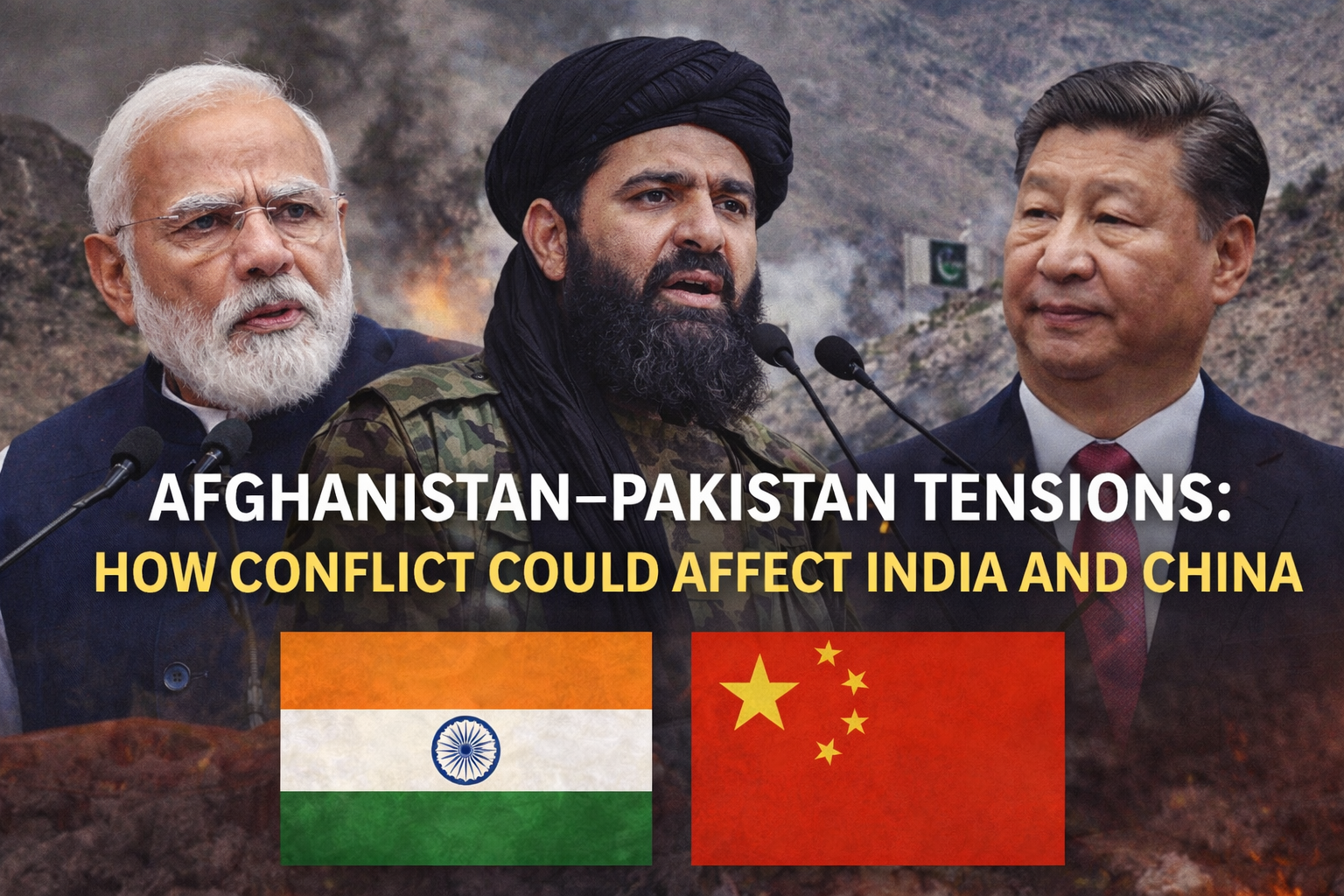
- Limited engagement with the Taliban to safeguard regional stability and humanitarian interests
- Deep defence and intelligence cooperation with Israel
- Strategic connectivity and energy engagement with Iran, including the Chabahar port
This balancing act is driven not by ideology, but by national interest and regional stability — a hallmark of major powers.
2026–2036: INDIA AS A RULE-SHAPER
The Next Decade of Indian Power
The coming decade is expected to consolidate India’s transformation across three dimensions:
Economy
- Sustained high growth
- Expansion of the middle class
- Integration of AI, manufacturing and digital governance
Military
- Deterrence-first doctrine
- Space and cyber readiness
- Greater defence exports and regional security roles
Diplomacy
- Leadership in a multipolar world
- Influence over global governance reform
- Stronger voice for the Global South
India is not evolving into a covert “deep state,” but into what analysts describe as a civilisational strategic state — one where continuity in defence, nuclear doctrine, space policy and foreign relations extends beyond electoral cycles.
CONCLUSION: INDIA HAS ARRIVED
Between 2010 and 2025, India prepared the foundations of power.
Between 2026 and 2036, it will shape outcomes.
India is no longer seeking a place in the global order.
It is increasingly helping define that order — through economic scale, military credibility and diplomatic balance.