February 27, 2026 | Islamabad/Kabul:
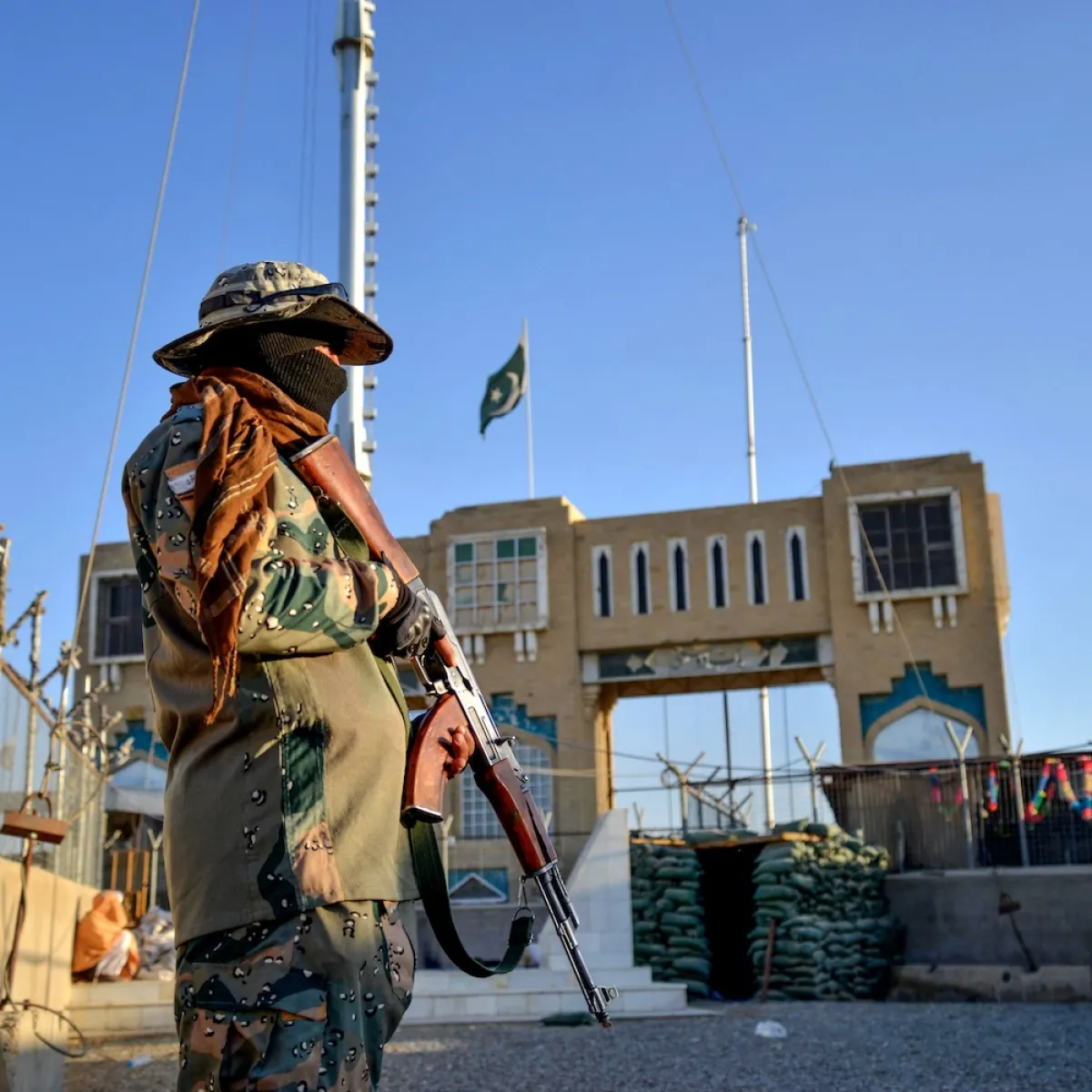
Tensions along the volatile Pakistan–Afghanistan frontier intensified on Thursday after the Taliban claimed it had seized multiple Pakistani military posts, while Pakistan Armed Forces denied any territorial losses and asserted it had inflicted heavy casualties in retaliatory strikes.
The latest confrontation unfolded along the disputed Durand Line , a long-contested border that has frequently witnessed armed exchanges between the two sides.
Taliban Claims Capture of 15 Pakistani Posts
According to statements carried by Afghanistan-based outlets including Bakhtiar News Agency, Taliban officials said their fighters launched a “large-scale defensive and retaliatory operation” in response to what they described as recent Pakistani airstrikes in Afghan border provinces.
A Taliban spokesperson was quoted as saying:
“Our forces captured at least 15 enemy security posts along the border and inflicted significant losses on Pakistani troops. The operation was carried out in response to repeated violations of Afghan sovereignty.”
The statement further alleged that several Pakistani soldiers were killed and others taken prisoner, though no independent confirmation has emerged.
Afghan media reports indicated that fighting was particularly intense in border districts adjacent to Nangarhar Province and Paktika Province , areas that have witnessed past cross-border shelling and militant activity.
Pakistan Denies Losses, Announces Counter-Operation
Meanwhile, Pakistani authorities strongly refuted the Taliban’s assertions. According to reports in Down News and Geo News, security officials described the Taliban’s statement as “false propaganda.”
A statement attributed to the Pakistani military said:
“All Pakistani border posts remain secure and operational. Attempts by armed militants to target our positions were effectively repelled.”
Pakistan confirmed it had launched a retaliatory campaign dubbed “Operation Ghazab lil-Haq,” involving coordinated air and ground strikes against what it described as militant hideouts across the border.
Pakistani media, quoting military sources, reported that more than 130 Taliban fighters were killed and over 200 wounded in the counter-offensive. The claims could not be independently verified.
Fighting was also reported in parts of Khyber Pakhtunkhwa, where Pakistani security forces increased troop deployments and aerial surveillance.
Diplomatic Fallout and Regional Concerns
The escalation marks one of the most serious flare-ups between Pakistan and the Taliban administration in recent years. Cross-border tensions have remained high since the collapse of earlier ceasefire arrangements.
Afghan officials, speaking to Kabul-based media, accused Pakistan of conducting unauthorized airstrikes that resulted in civilian casualties — an allegation Islamabad has not formally acknowledged.
Regional analysts warn that sustained military engagement could destabilize border trade routes and displace civilian populations living along the frontier. The Durand Line region is strategically sensitive, with longstanding disputes over its demarcation.
An Islamabad-based security analyst told Geo News:
“If both sides continue military mobilization, the risk of a prolonged confrontation cannot be ruled out. Diplomatic backchannels will be crucial in preventing further escalation.”
Conflicting Narratives Persist
As of now, both sides continue to present sharply contrasting versions of events:
- Taliban version: 15 Pakistani posts captured; heavy Pakistani casualties inflicted.
- Pakistan’s version: No loss of posts; Taliban attack repelled; significant militant casualties reported.
Independent verification remains limited due to restricted access to the conflict zone and ongoing operations.
Situation Remains Fluid
With additional troops reportedly mobilized on both sides and aerial activity continuing, the situation along the Pakistan–Afghanistan border remains tense. Diplomatic engagement, regional mediation efforts, and international monitoring may determine whether the confrontation subsides or escalates further in the coming days.