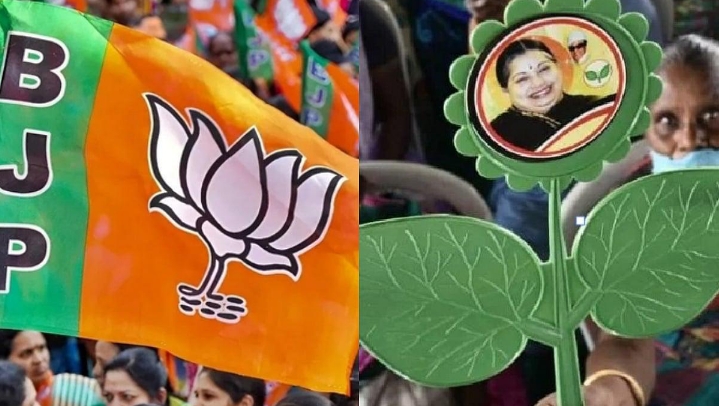
Chennai: The National Democratic Alliance (NDA) has reportedly finalised its seat-sharing arrangement for the upcoming Tamil Nadu Assembly elections, with the AIADMK emerging as the principal contender, expected to contest a dominant share of around 175 seats.
Key Highlights
- NDA completes seat-sharing talks in Tamil Nadu
- AIADMK likely to contest ~175 seats
- Alliance partners, including the BJP , to contest remaining constituencies
- Strategy focused on consolidating anti-incumbency votes
Seat-Sharing Formula
According to emerging political reports, the NDA’s electoral strategy in Tamil Nadu revolves around giving the lion’s share to AIADMK, the alliance’s largest regional force.
- AIADMK: ~175 seats
- BJP and smaller allies: Remaining seats (out of total 234 Assembly constituencies) The BJP has been allotted 27 seats, PMK led by Anbumani Ramadoss will contest 18 seats, and AMMK (Amma Makkal Munnetra Kazhagam) led by T.T.V. Dhinakaran has been given 11 seats.
This arrangement underscores AIADMK’s continued dominance within the alliance in the state.
Role of BJP and Allies
The BJP, which has been working to expand its footprint in Tamil Nadu, is expected to contest a limited but strategically chosen number of seats.
Other regional allies may also be accommodated as part of the NDA’s broader coalition-building efforts.
Political Context
Tamil Nadu’s political landscape has traditionally been dominated by two Dravidian majors:
- AIADMK
- DMK
The NDA is aiming to:
- Consolidate opposition votes against the ruling DMK
- Present a united front to improve electoral competitiveness
Strategic Significance
- Giving AIADMK a large share signals central reliance on regional leadership
- BJP’s calibrated participation reflects a long-term growth strategy rather than immediate dominance
- Seat-sharing clarity helps avoid internal conflicts ahead of elections
Challenges Ahead
Despite finalising the formula, the alliance faces several hurdles:
- Strong incumbency of the ruling DMK government
- Internal coordination among alliance partners
- BJP’s relatively limited grassroots presence in parts of the state
Conclusion
The NDA’s decision to allocate a majority of seats to AIADMK highlights a pragmatic, region-focused strategy in Tamil Nadu. As the election approaches, the effectiveness of this alliance structure will play a crucial role in determining whether the NDA can mount a serious challenge to the DMK-led front.