Kalpetta:A comprehensive government study has revealed that nearly half of the tourism-related establishments in Kerala’s Wayanad district are functioning without necessary legal approvals. The report, commissioned by the Department of Local Self-Government, has raised serious environmental and safety concerns, particularly in ecologically sensitive and disaster-prone regions.
A study conducted by the Planning Division of Kerala’s Local Self-Government Department has found that over 50% of tourism constructions in Wayanad are operating without proper licenses. The report highlights widespread violations of regulatory norms, environmental laws, and safety provisions across resorts, homestays, and serviced villas.
Only 56% of these establishments possess mandatory licenses from local bodies. Even fewer—just 16%—have valid GST registrations, and only 53% have obtained clearance from the Pollution Control Board (PCB), which is essential for ensuring environmentally responsible operations.
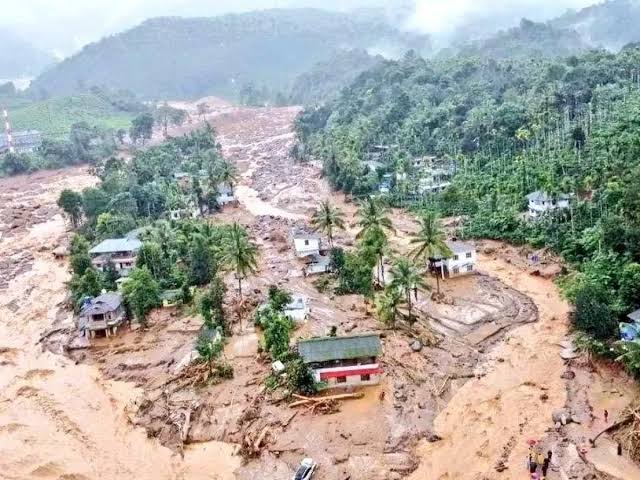
The study also uncovered several tourism establishments constructed in High Hazard Zones (HHZ) and within 500-meter buffer zones of ecologically fragile areas—regions prone to landslides and human-wildlife conflict. The lack of basic infrastructure and emergency preparedness in tent stays and resorts located in such areas poses a major risk.
Wayanad District Panchayat President Shamshad Marakkar expressed deep concern over the rise in unauthorized tourism facilities and the potential danger they pose. He pointed out that many of these structures were built without the knowledge or approval of local governing bodies, often in remote locations that hinder emergency rescue efforts.
The survey also revealed the misuse of the state’s K-SWIFT (Kerala Single Window Interface) platform, which was designed to streamline the licensing and approval process for businesses. Loopholes in the system are reportedly contributing to the surge in unauthorized developments.
Out of 2,764 tourism-related constructions initially listed, the field survey team visited 2,478 sites within 89 days, completing detailed surveys at 1,040 locations. Survey efforts were hindered at 1,438 sites due to issues like data duplication and lack of sufficient information.
The district panchayat has proposed forming special inspection squads under each local body to identify and act against illegal establishments. Marakkar emphasized the need for a clear legal framework for alternative accommodations such as camping sites, tree houses, and tented stays—facilities currently beyond the jurisdiction of local authorities.
He further called for mandatory submission of updated building plans by property owners and strict enforcement against unauthorized expansions, which are also causing significant tax revenue losses for local bodies.